Mid-century kitchens feel distinct because their materials usually carry warmth, clarity, and a certain visual honesty that newer trend-driven spaces sometimes miss. Wood, metal, tile, and stone all matter, but the way they work together matters even more.
These ideas explore the foundational materials that help a kitchen feel authentically mid-century modern without becoming too nostalgic or too cold. If you want to build a dream kitchen around the style, material choice is where much of the identity begins.
Design ideas to borrow from this palette
Use the ideas below to compare hardware, countertop, flooring, and styling combinations that change how the cabinet color reads in a finished kitchen.
Walnut for Rich Signature Warmth
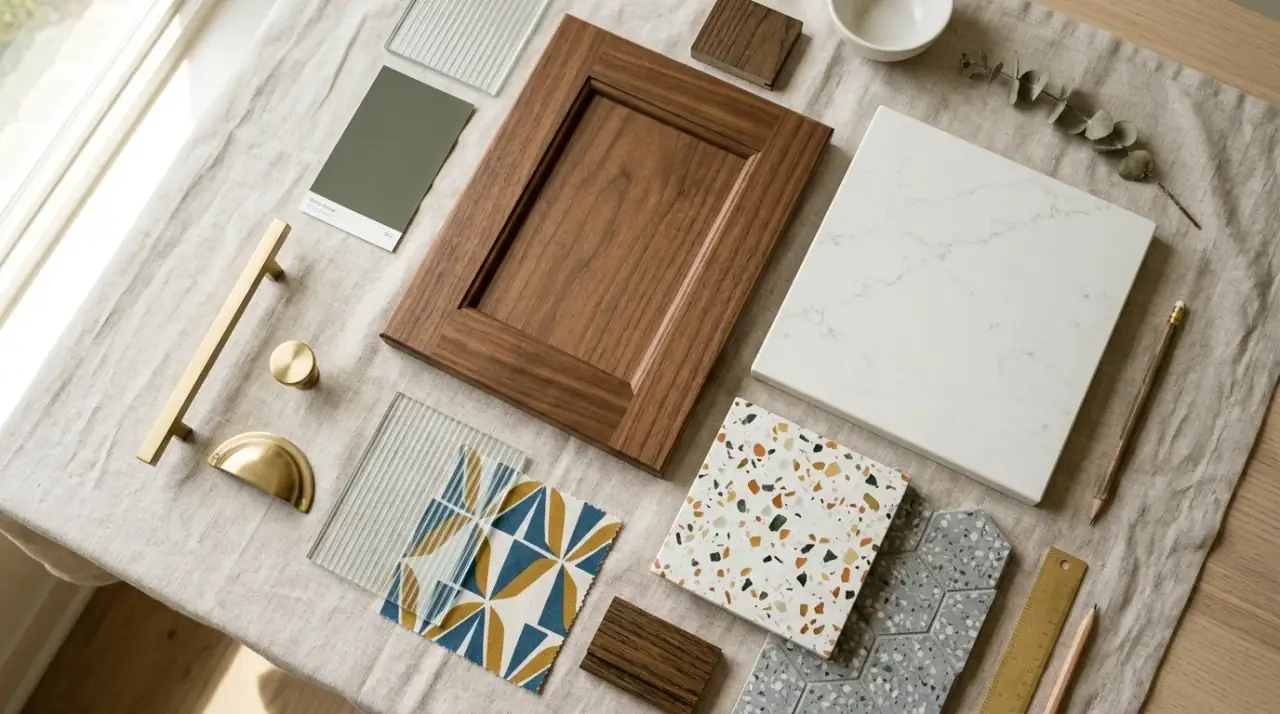
Walnut is one of the most iconic mid-century materials because its grain and darker warmth instantly give a kitchen more retro depth. It can appear through cabinetry, shelving, islands, or furniture pieces.
Rooted in natural beauty and guided by timeless character, walnut shapes the kitchen one thoughtful surface at a time. The room feels richer and unmistakably mid-century.
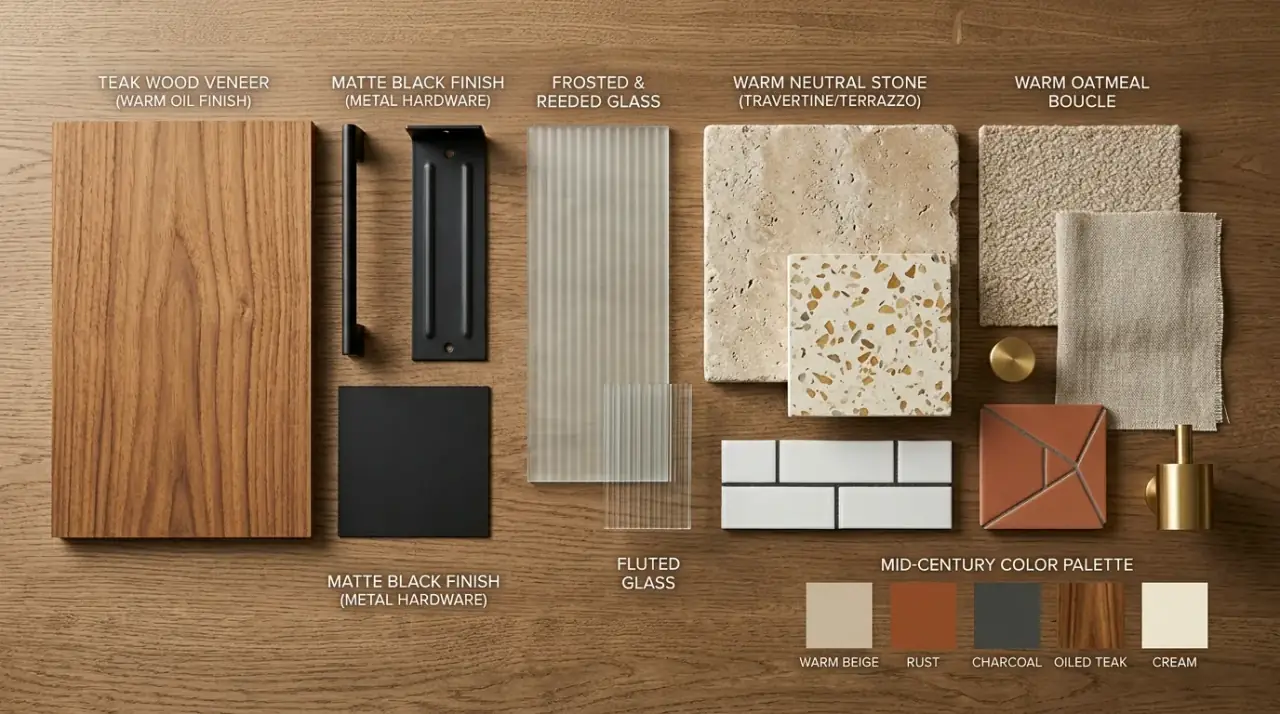
Flat-Front Cabinet Surfaces
Mid-century kitchens usually rely on cleaner cabinet fronts because the style values line and material more than ornament. Flat panels let the wood tone or paint color become the real focus.
Rooted in simplicity and guided by crisp form, flat-front cabinetry defines the kitchen one thoughtful plane at a time. The room feels cleaner and more authentic.
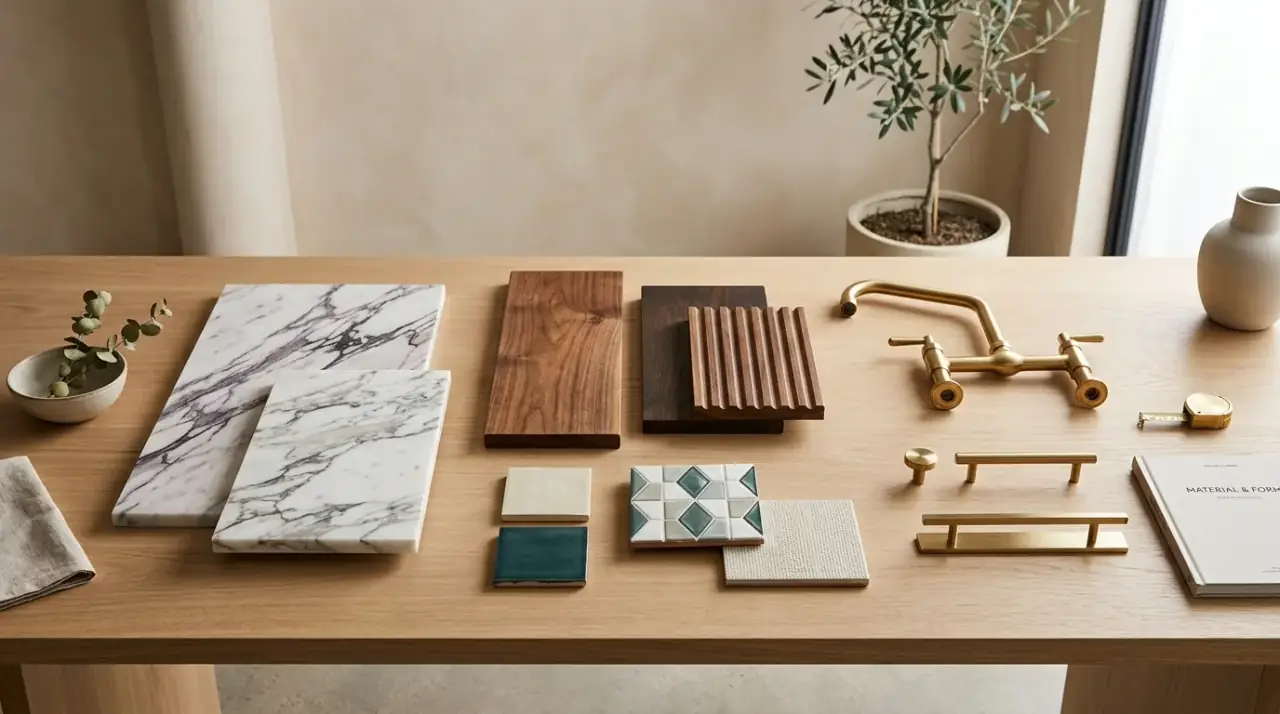
Brass for Warm Metallic Contrast
Brass supports mid-century palettes beautifully because it brings warmth, softness, and a little polish without feeling too ornate. It works well on hardware, lighting, and smaller accents.
Rooted in subtle richness and guided by balance, brass refines the kitchen one thoughtful detail at a time. The room feels brighter and more complete.
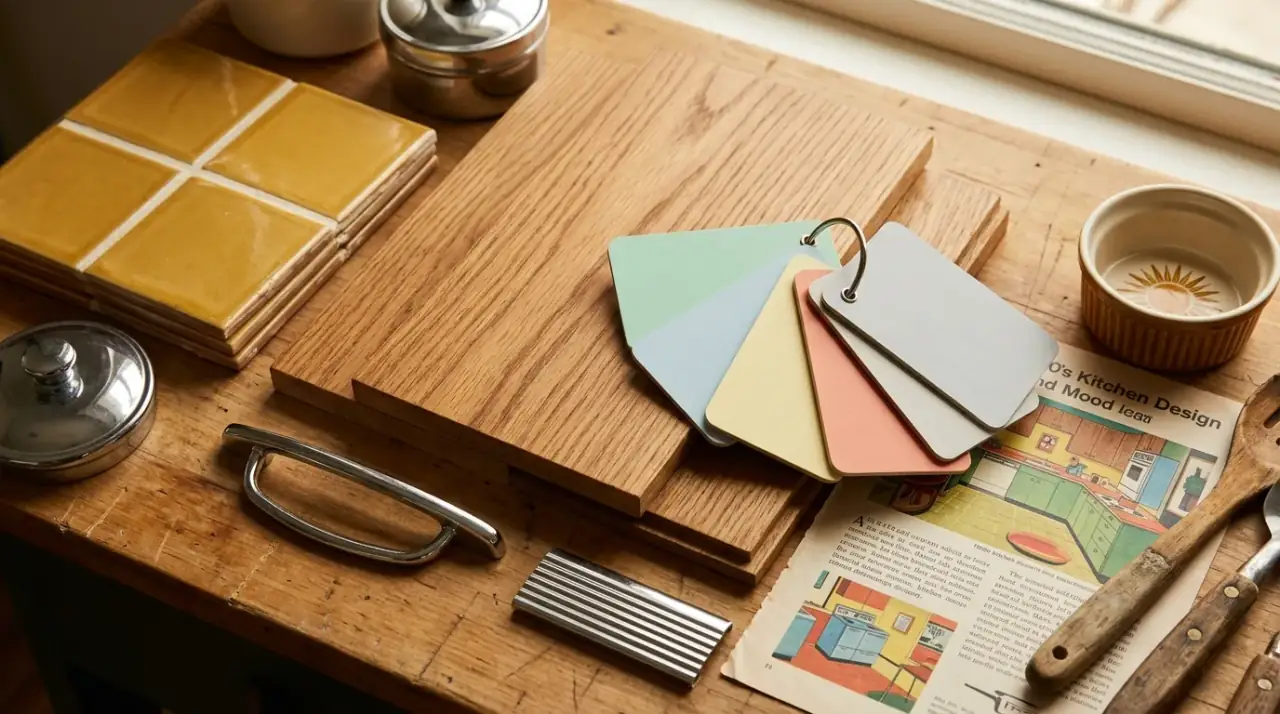
Terrazzo for Graphic Texture
Terrazzo feels especially compatible with mid-century design because it introduces pattern through material instead of through excess decoration. It can bring character to floors, counters, or backsplashes in a very period-friendly way.
Rooted in texture and guided by graphic interest, terrazzo enriches the kitchen one thoughtful surface at a time. The room feels more lively and more era-aware.
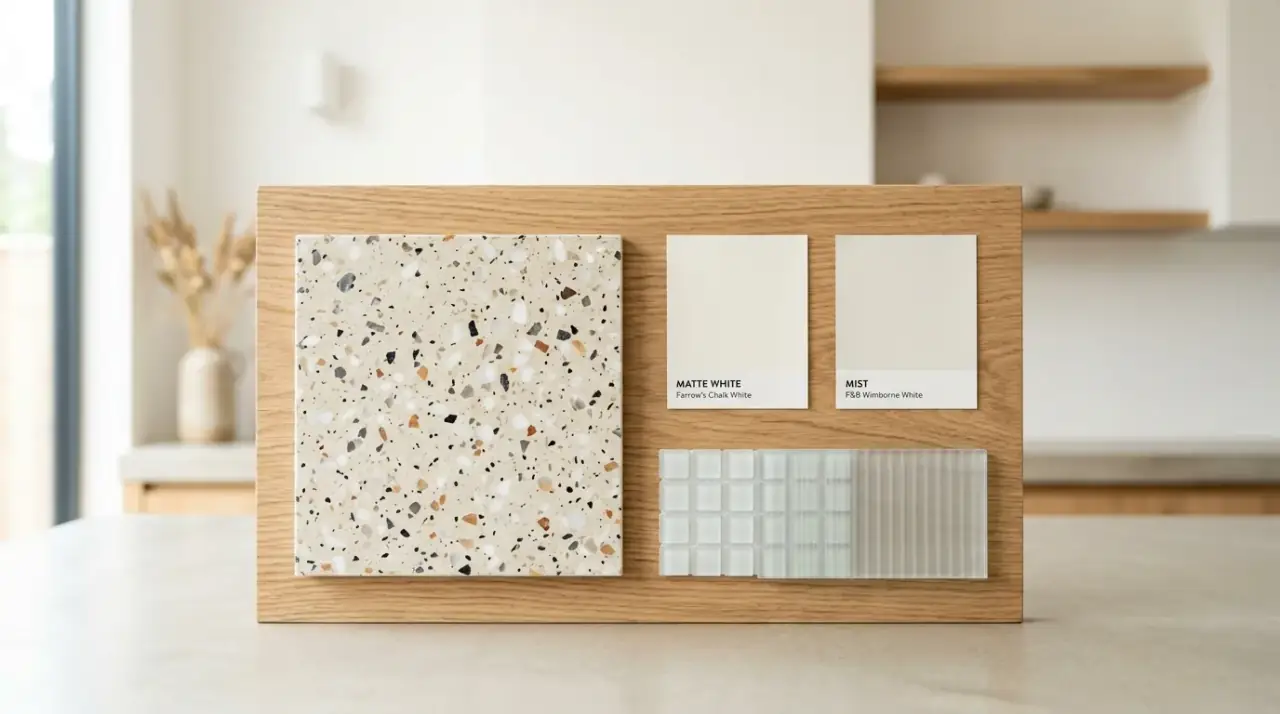
Warm White or Cream Stone
Stone with softer undertones helps mid-century kitchens feel refined while still supporting the warmth of wood and brass. Colder bright whites often fight the style more than they help it.
Rooted in tonal harmony and guided by subtle luxury, warmer stone supports the kitchen one thoughtful surface at a time. The room feels calmer and more balanced.
Matte Tile with Simple Geometry
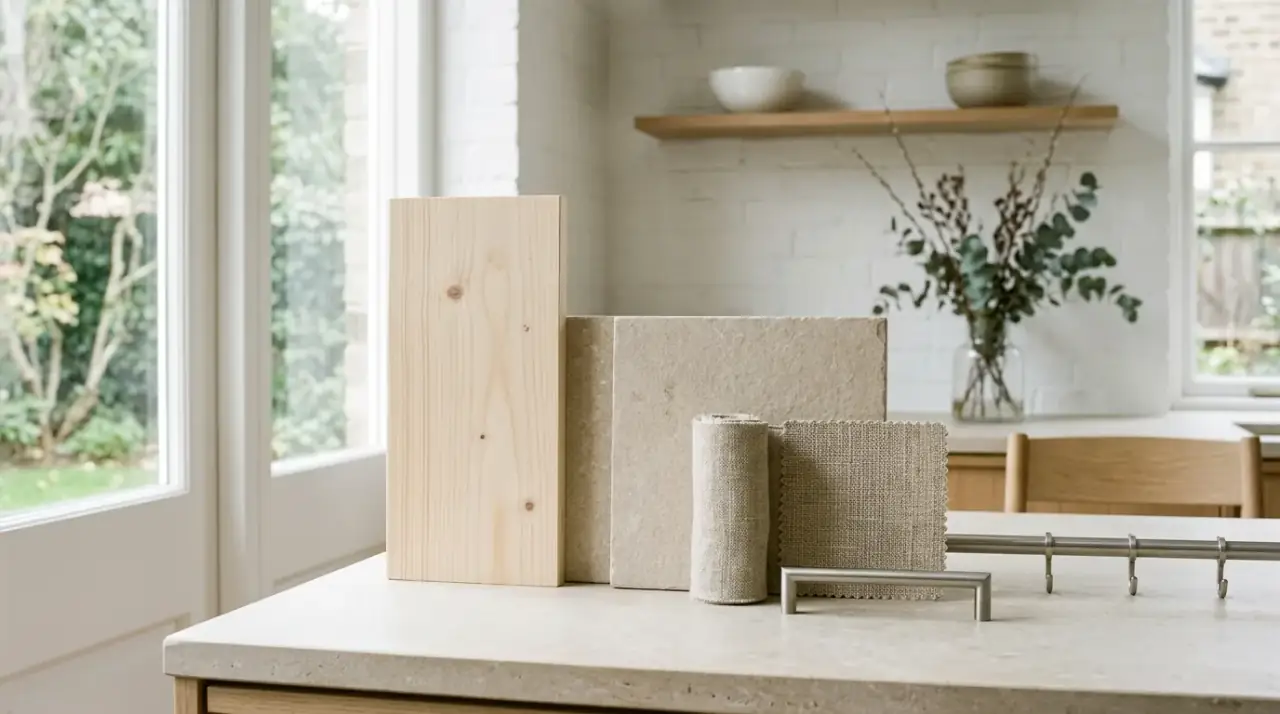
Mid-century tile often feels strongest when it uses cleaner shapes and a more matte or softly glazed finish. The wall gains personality without becoming too glossy or too ornate.
Rooted in graphic clarity and guided by controlled texture, matte tile styles the kitchen one thoughtful piece at a time. The room feels more cohesive and more polished.
Cane or Slatted Wood for Softer Texture
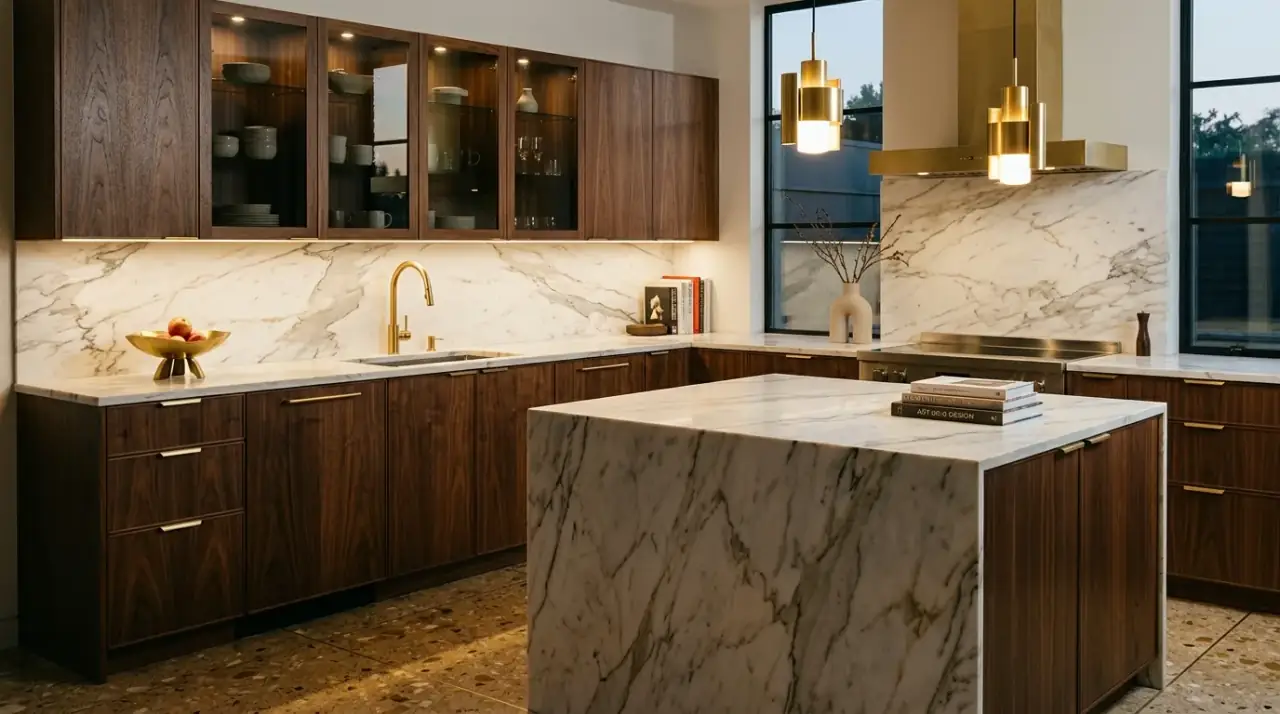
Textured wood elements such as slats or cane can give a mid-century kitchen more visual depth while still fitting the style's furniture-driven language. These materials help the room feel more layered and human.
Rooted in texture and guided by natural warmth, woven or slatted details enrich the kitchen one thoughtful surface at a time. The room feels more tactile and more memorable.
Black Metal for Definition
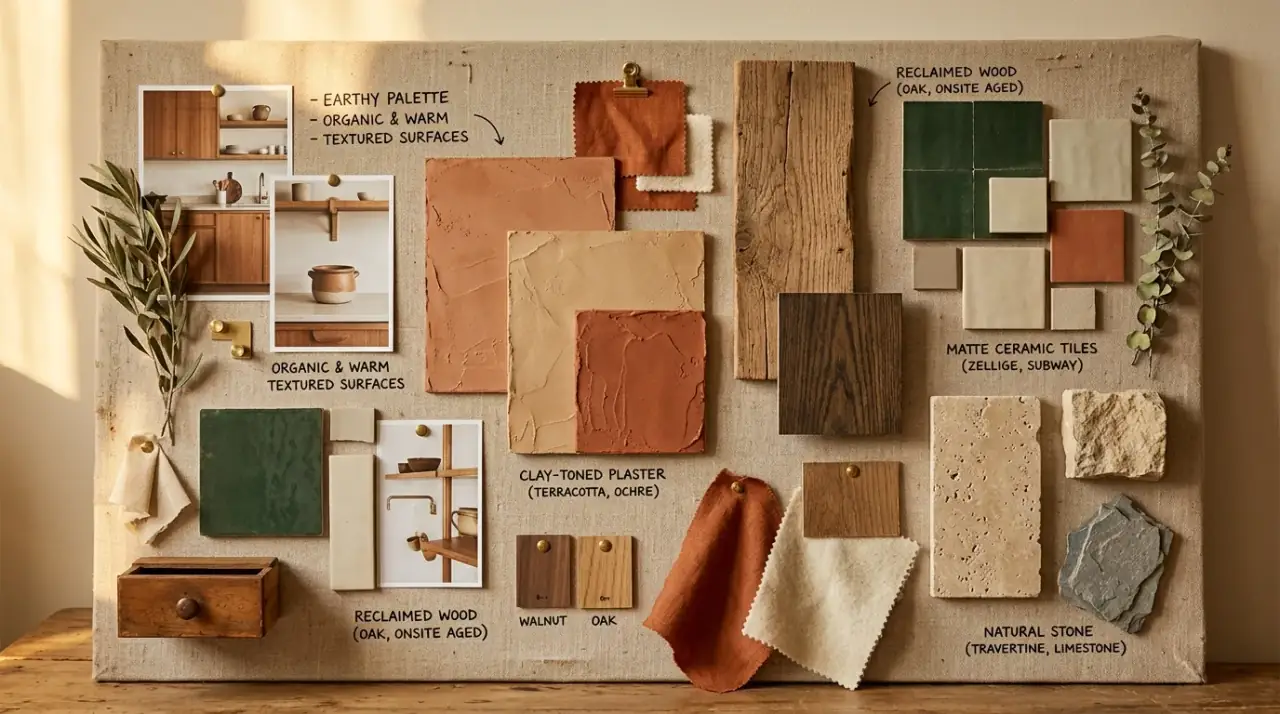
A little black can help define a mid-century kitchen by outlining cabinetry, lights, or seating with clearer edges. It gives the warm palette enough contrast to keep the room feeling sharp.
Rooted in definition and guided by smart contrast, black accents support the kitchen one thoughtful detail at a time. The room feels more structured and more current.
Glass for Airiness and Light
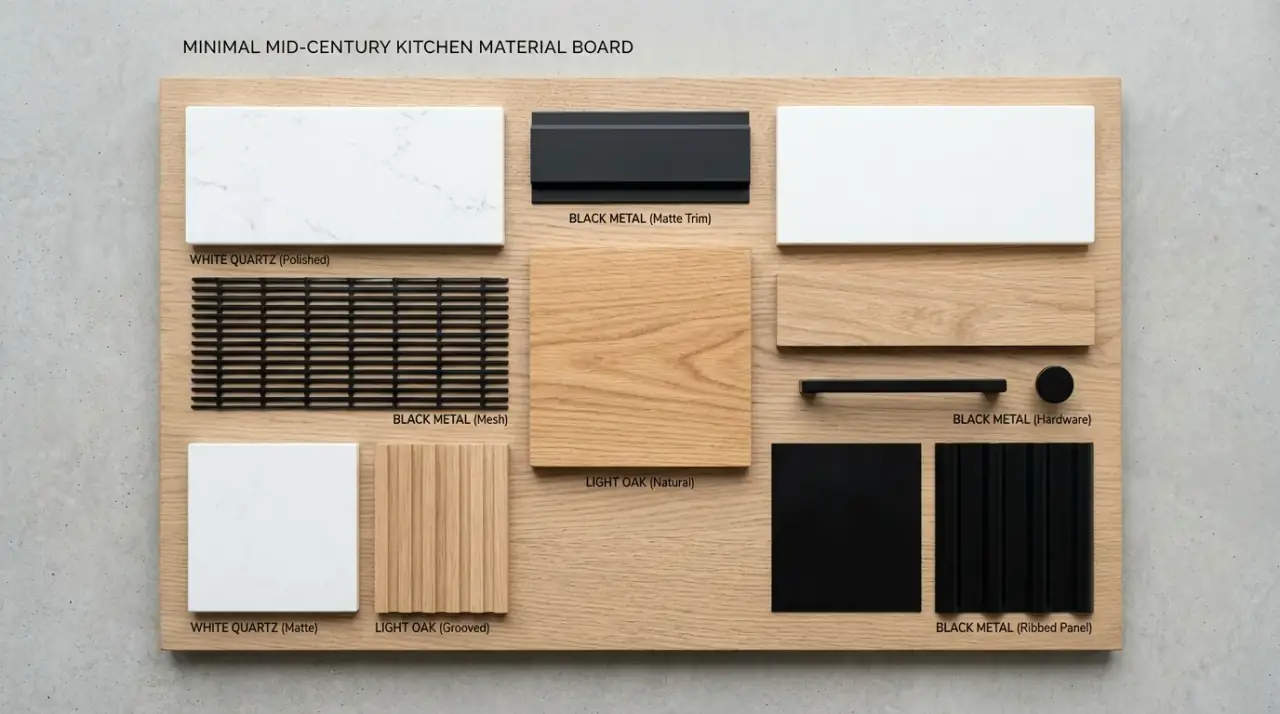
Glass appears in many mid-century kitchens through pendants, cabinet doors, or drinkware because it keeps the room from feeling visually too heavy. It works especially well beside darker woods.
Rooted in lightness and guided by balance, glass supports the kitchen one thoughtful detail at a time. The room feels more open and more elegant.
Warm Paint Colors with Earthy Undertones
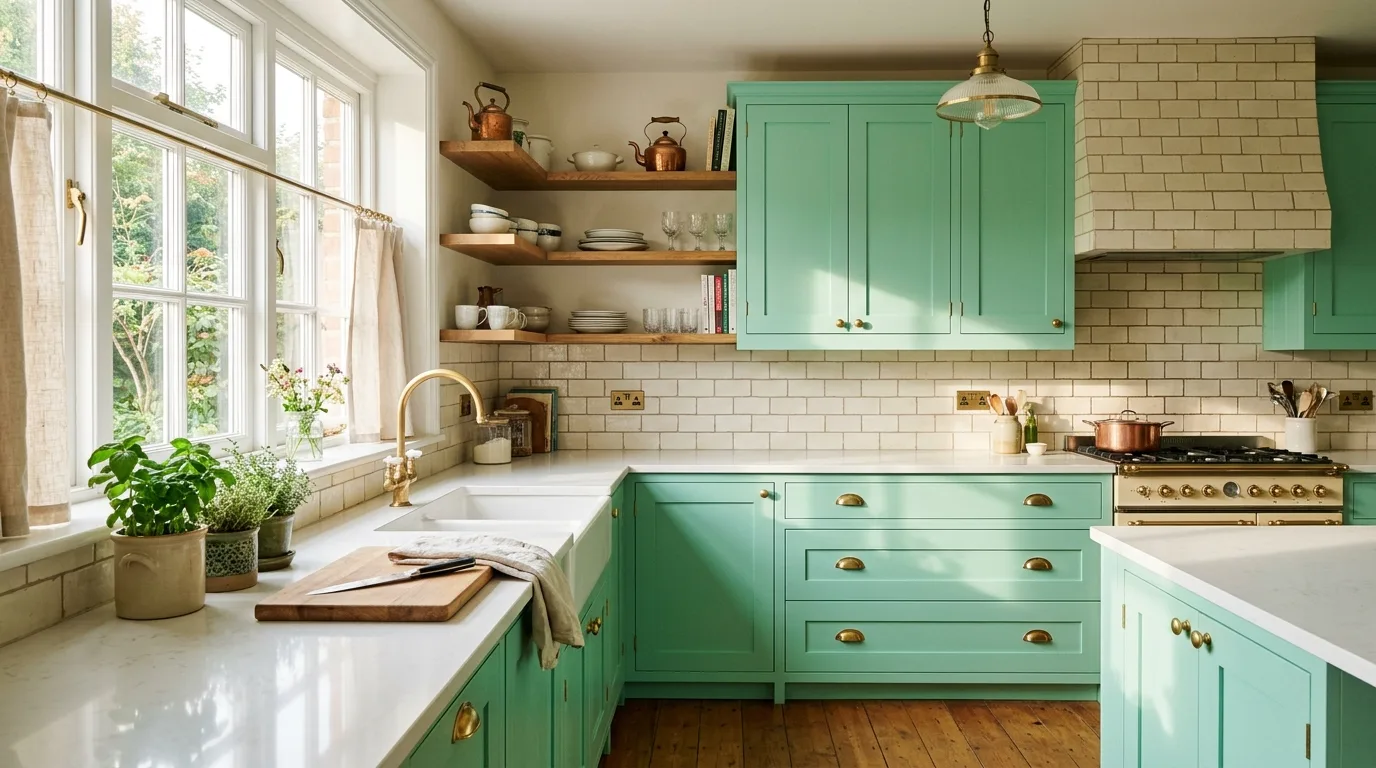
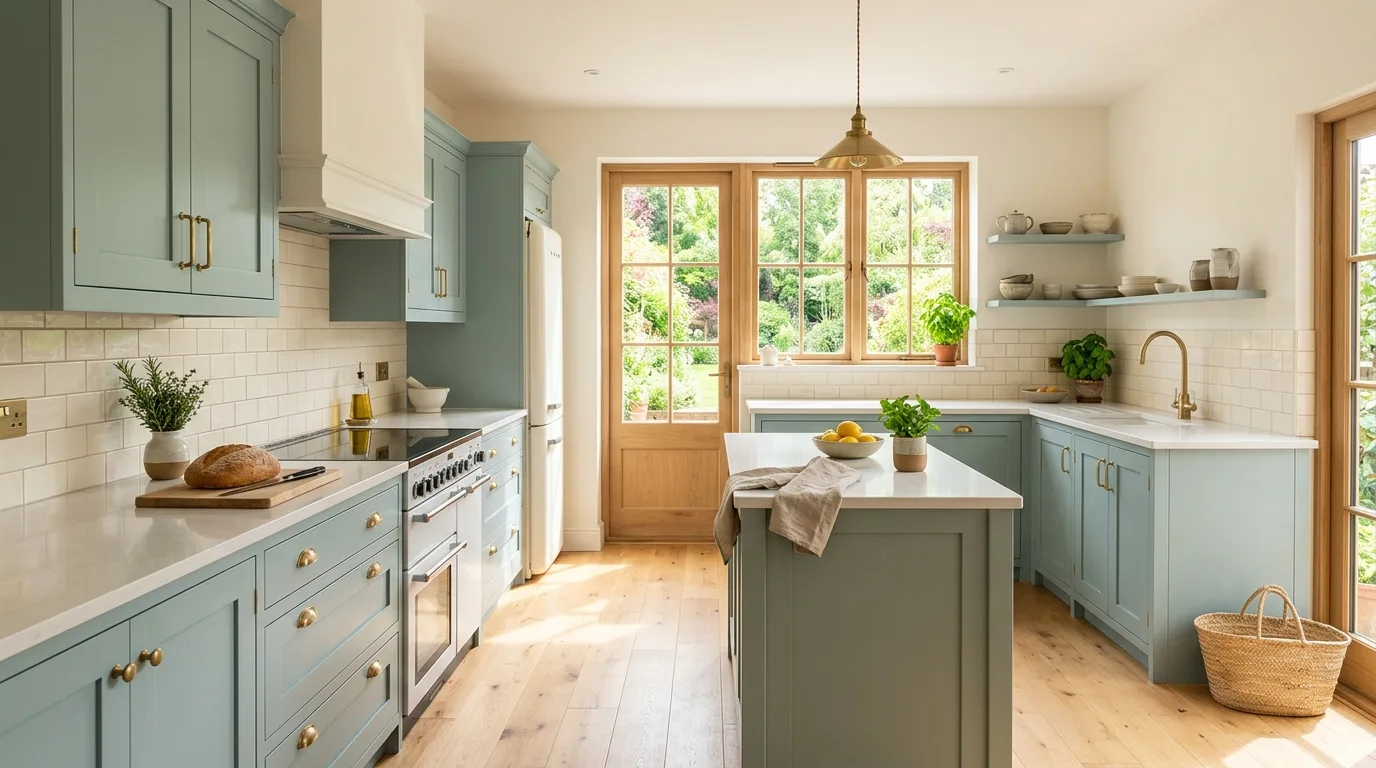
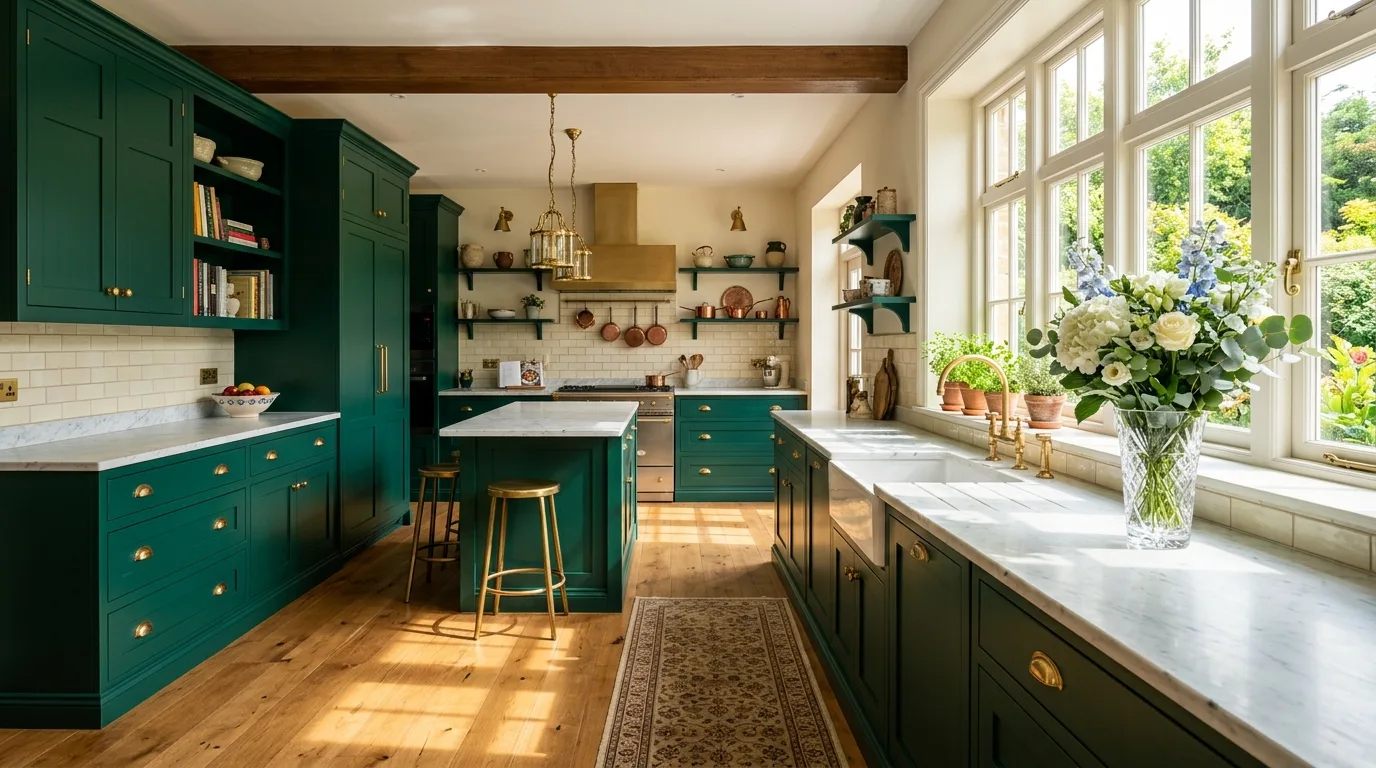
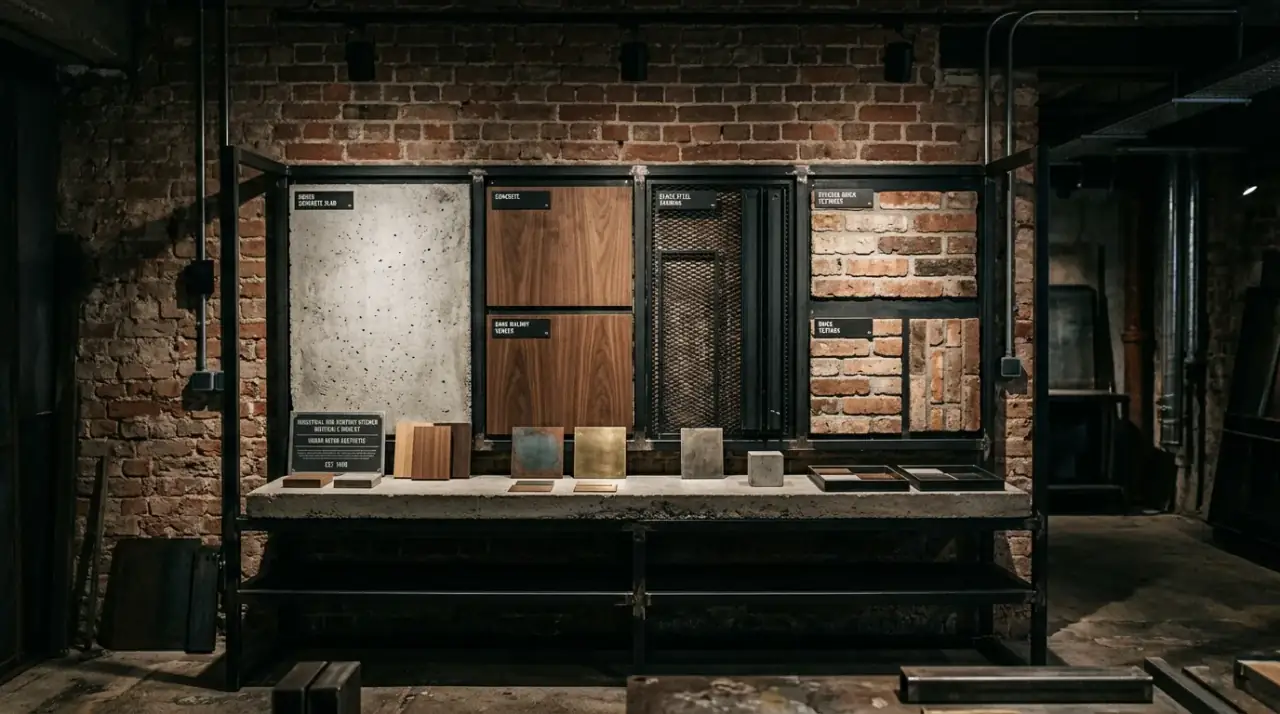
Paint is a material decision too because the undertones determine how well the rest of the room will come together. Greens, creams, rusts, and softened blues often suit mid-century kitchens beautifully.
Rooted in color harmony and guided by period-friendly warmth, paint shapes the kitchen one thoughtful wall at a time. The room feels more connected and more expressive.
Flooring That Feels Honest and Grounded
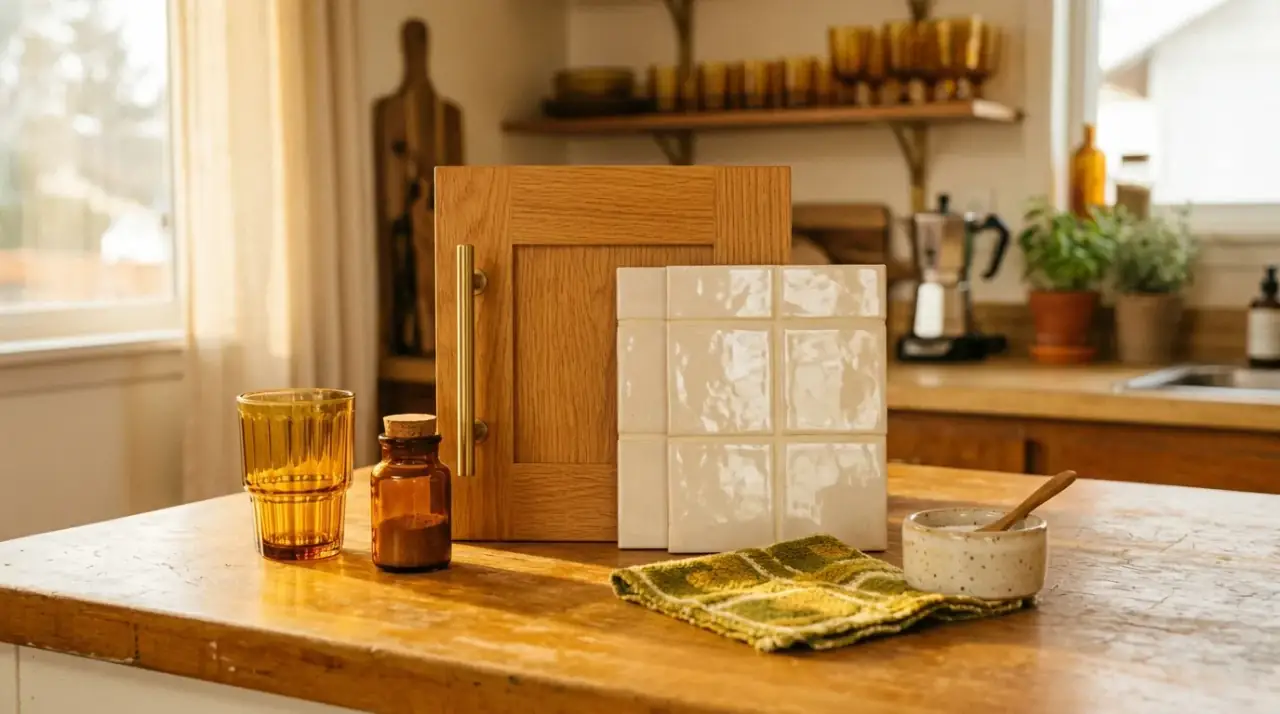
The best floors for this style usually carry a sense of honesty and visual calm, whether through wood, terrazzo, or a simpler tile choice. The floor should support the room, not distract from it.
Rooted in grounded design and guided by practical beauty, strong flooring anchors the kitchen one thoughtful surface at a time. The room feels steadier and more complete.
Materials That Build a Dream Kitchen with Integrity
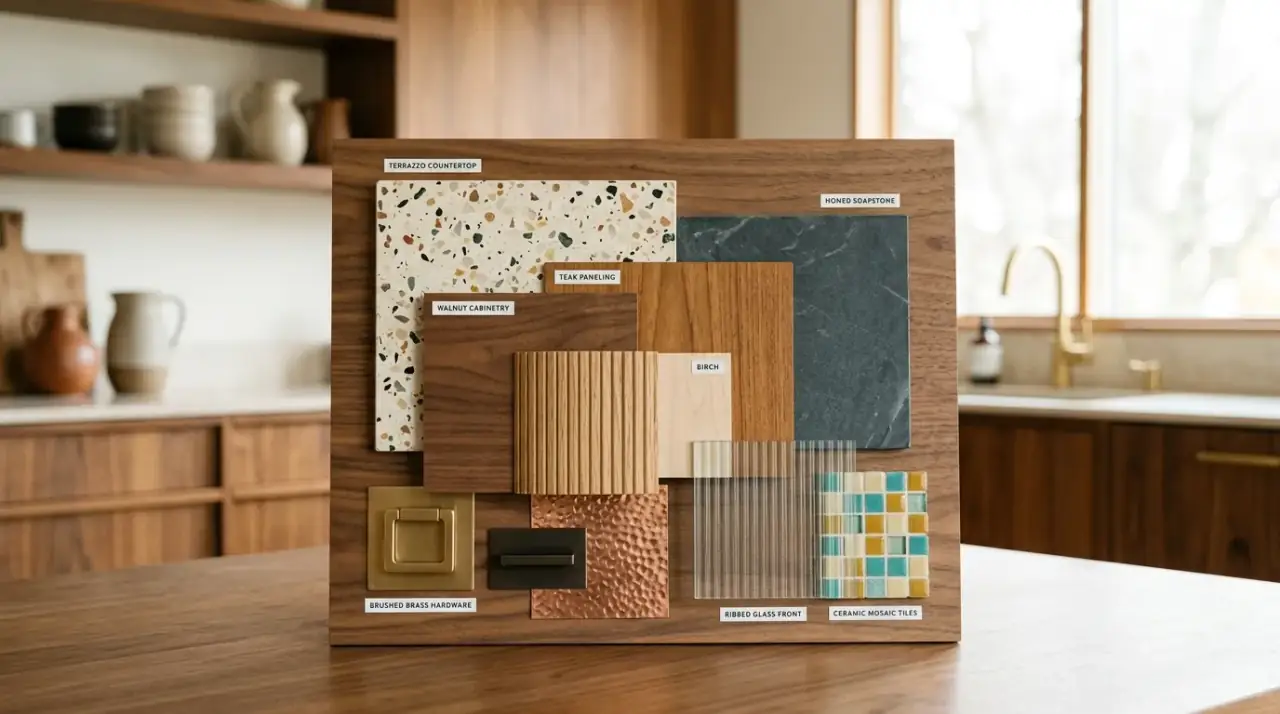
The most convincing mid-century kitchens are successful because their materials feel intentional, warm, and honest rather than decorative for decoration's sake. When each finish supports the same visual language, the room gains real clarity and staying power.
Rooted in creativity and guided by style, mid-century kitchen materials can turn a design concept into part of a warm and welcoming home one thoughtful detail at a time. That material integrity is what makes the dream feel real.