Pantries become hard to use when visibility drops and categories start blending into one another. The good news is that better organization often comes from clearer systems rather than simply buying more containers.
These ideas focus on improving access, reducing clutter, and helping the pantry stay easier to maintain over time. If your kitchen storage feels frustrating, the pantry is often the first place where better order pays off.
Design ideas to borrow from this palette
Use the ideas below to compare hardware, countertop, flooring, and styling combinations that change how the cabinet color reads in a finished kitchen.
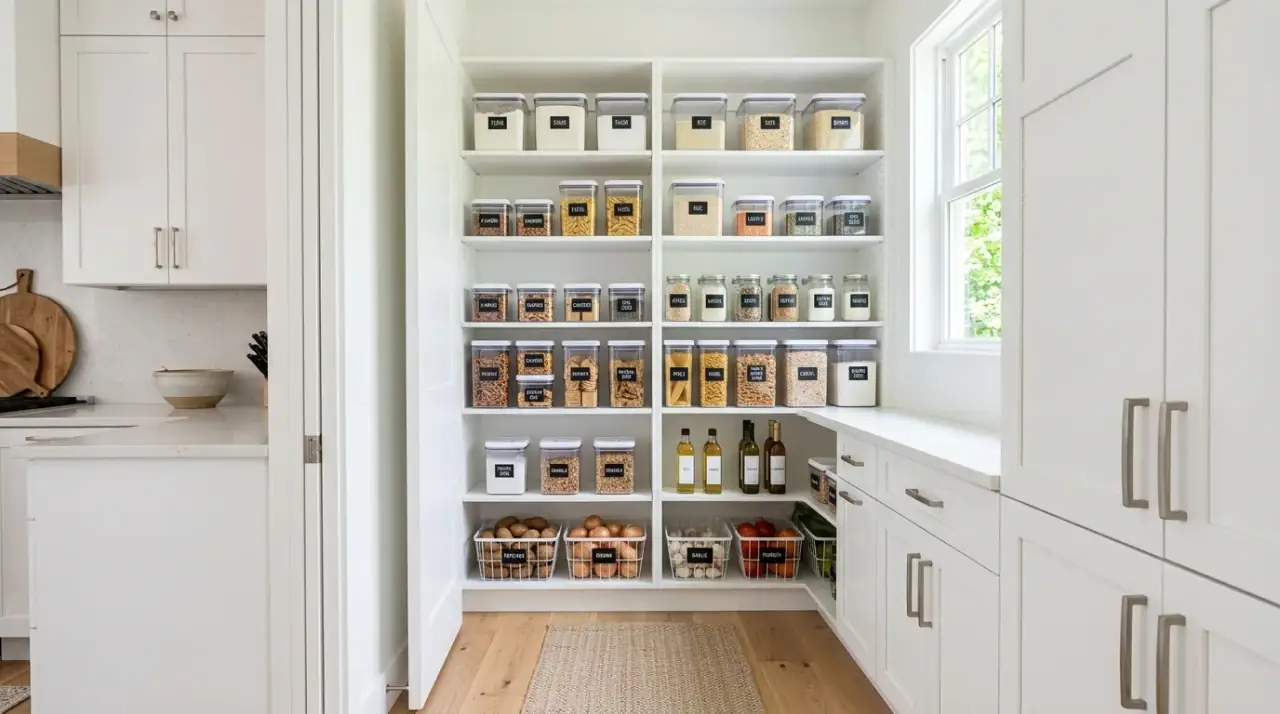
Group Foods by How You Actually Use Them
Pantries work better when categories reflect real cooking and snacking habits instead of arbitrary divisions. Keeping breakfast together, baking together, and lunch items together often makes more sense than sorting only by package type.
Rooted in routine and guided by practical order, use-based grouping can help a pantry feel more efficient and more welcoming one thoughtful detail at a time. Systems hold longer when they match the way people naturally reach for food.
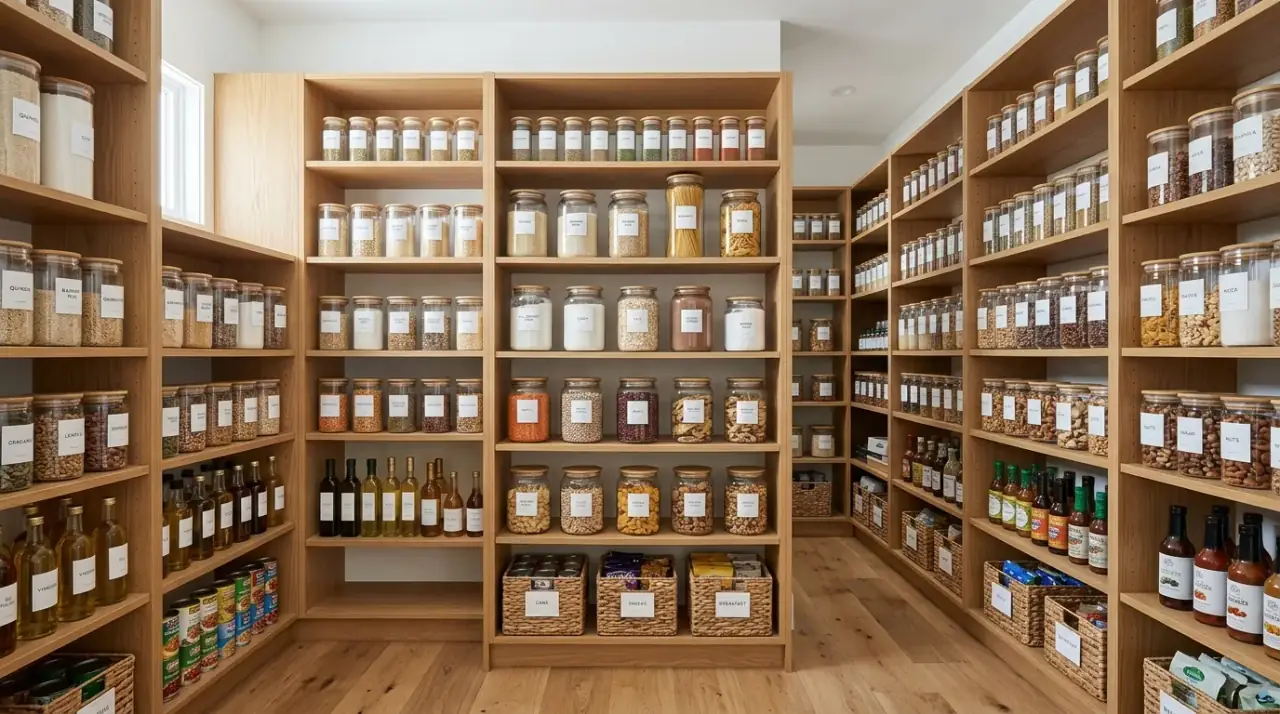
Use Clear Containers for Dry Goods You Buy Often
Clear canisters can make pantry staples easier to identify and keep track of while also reducing the visual noise of mixed packaging. This works especially well for flour, sugar, pasta, oats, and cereals that tend to spill or stack awkwardly in bags.
Rooted in visibility and guided by simple storage, clear containers can help a pantry feel tidier and more welcoming one thoughtful detail at a time. What you can see quickly is usually easier to keep under control.
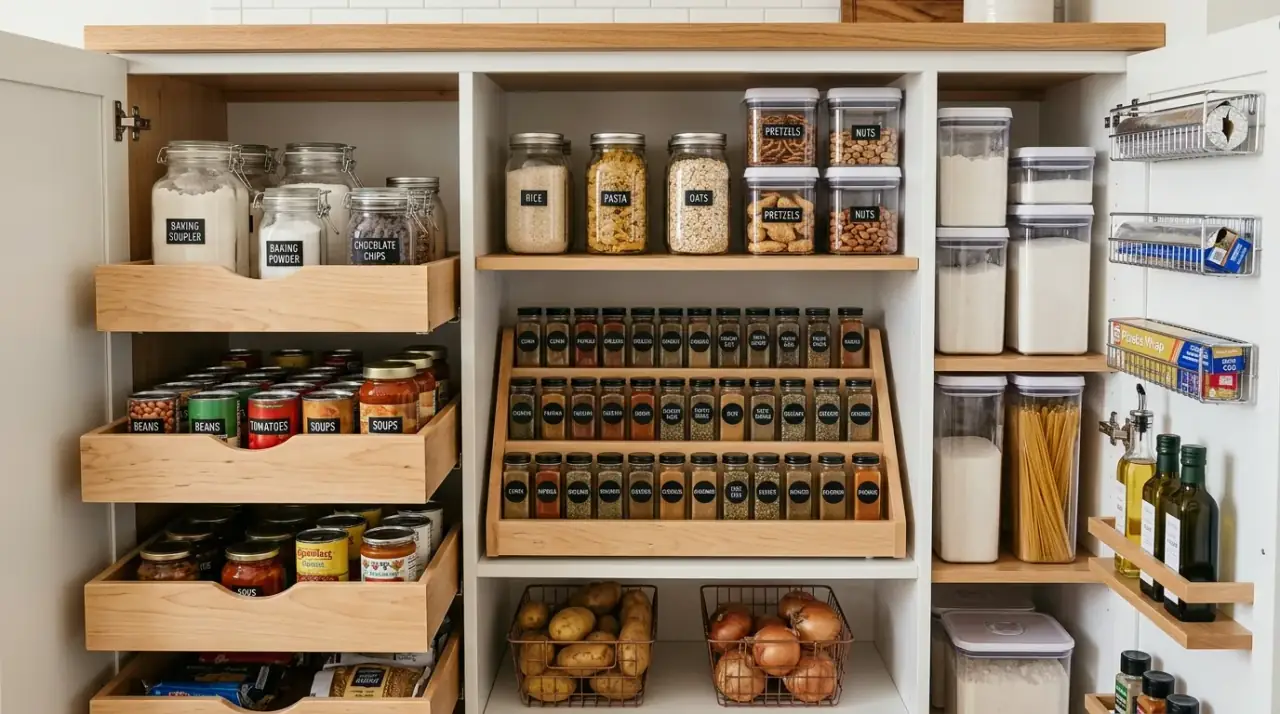
Put Everyday Items at the Easiest Reach Height
The most frequently used ingredients should live where they are easiest to grab, not buried on the highest shelf or the deepest floor basket. This reduces frustration and makes pantry use feel smoother every single day.
Rooted in accessibility and guided by everyday comfort, reach-based placement can help a pantry feel more usable and more welcoming one thoughtful detail at a time. Good organization is often about saving effort as much as saving space.
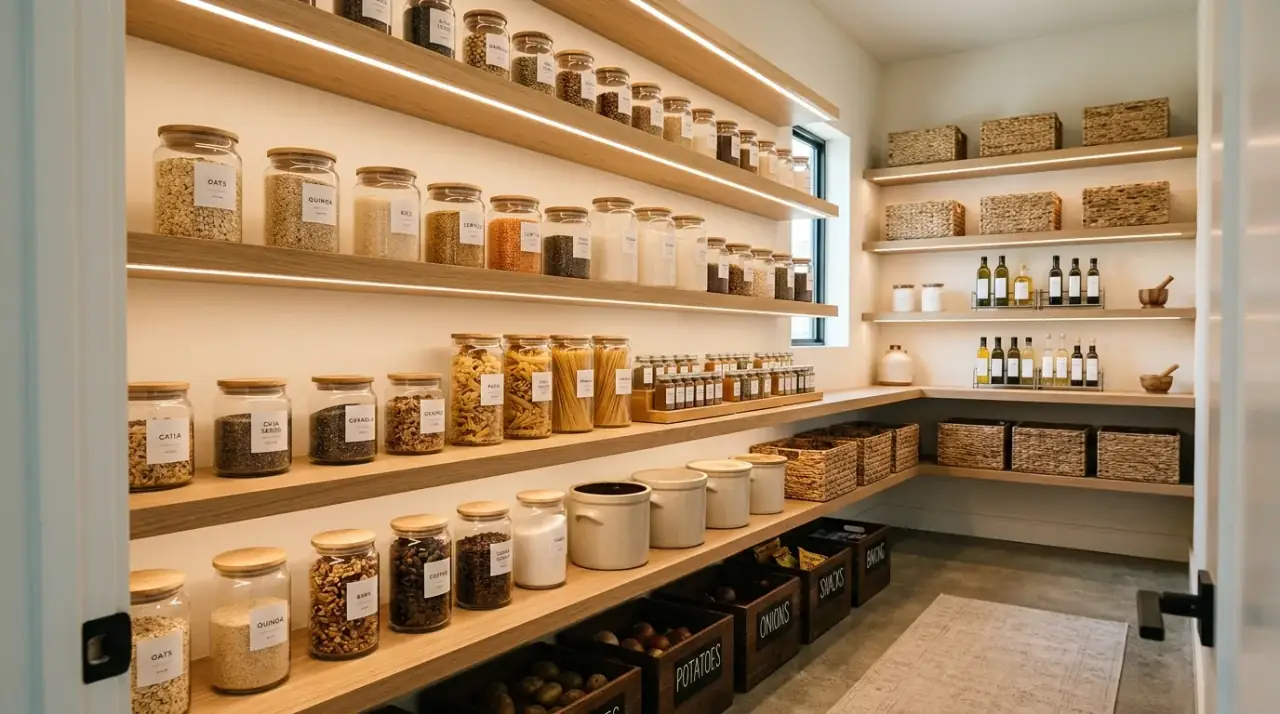
Use Bins to Contain Loose Categories
Bins can stop snack bars, seasoning packets, and small pantry extras from spreading across shelves randomly. They create cleaner visual blocks and make it easier to lift a whole category out at once when you need it.
Rooted in containment and guided by visual calm, simple bins can help a pantry feel more ordered and more welcoming one thoughtful detail at a time. The shelves look better when loose items stop wandering.
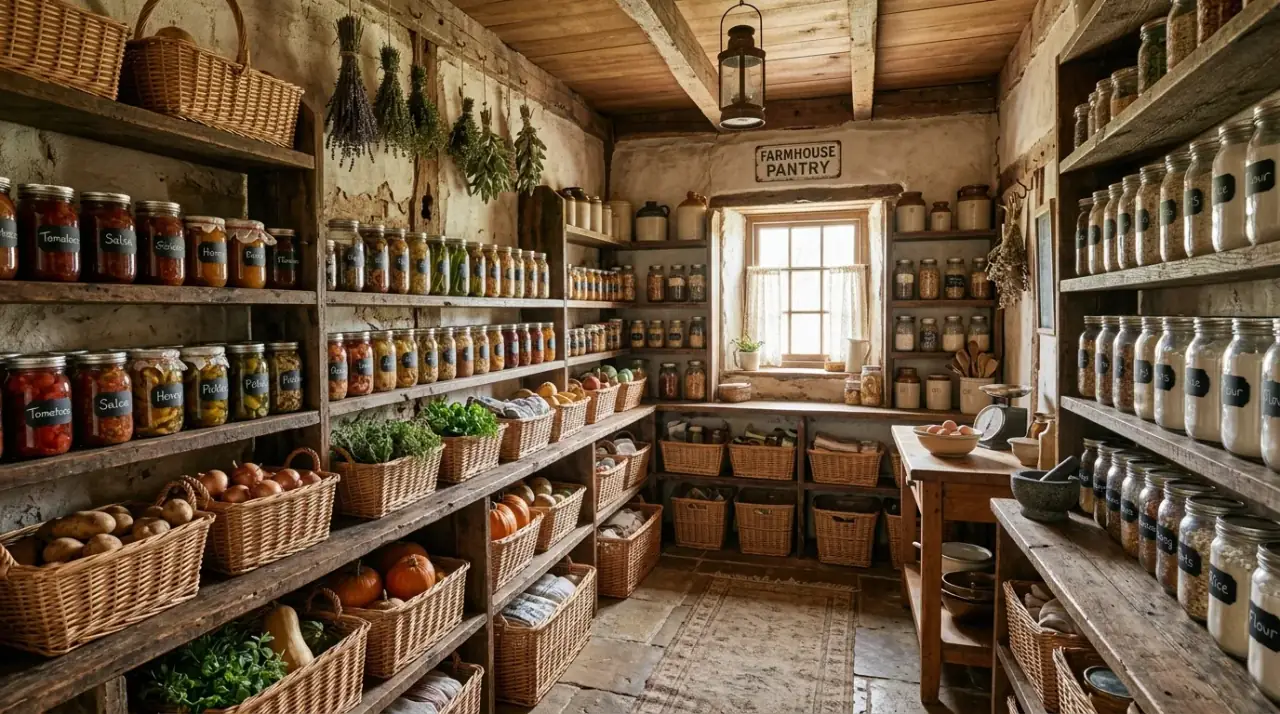
Label What Needs Quick Identification
Labels are most helpful where they save hesitation, especially on matching containers, deep bins, or mixed snack baskets. They help everyone in the household understand the system and keep it functioning consistently.
Rooted in clarity and guided by easy recognition, labeling can help a pantry feel more understandable and more welcoming one thoughtful detail at a time. A system lasts longer when it can be read at a glance.
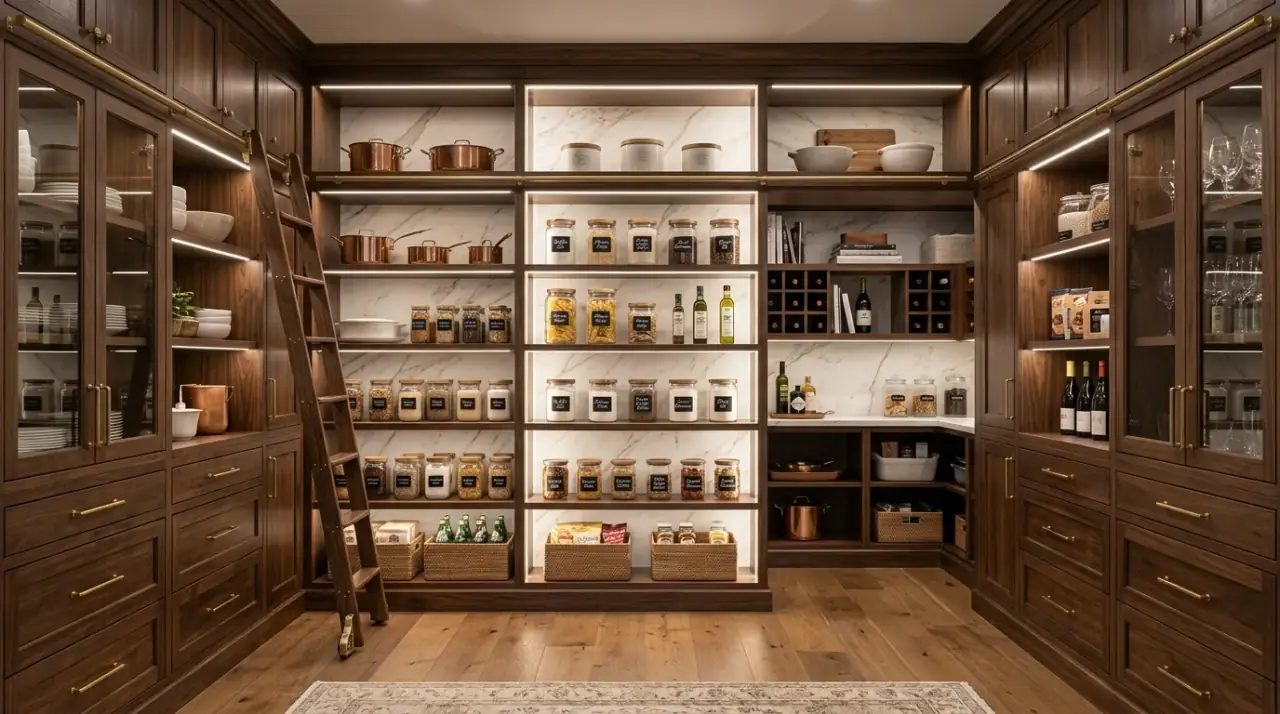
Use Risers to See Items at the Back
Shelf risers and stepped organizers can make canned goods, spices, or jars much easier to see because they elevate the back row instead of letting everything hide behind the first line of products. This is a simple fix with a big payoff.
Rooted in visibility and guided by vertical planning, shelf risers can help a pantry feel more accessible and more welcoming one thoughtful detail at a time. The back of the shelf should not become a storage graveyard.
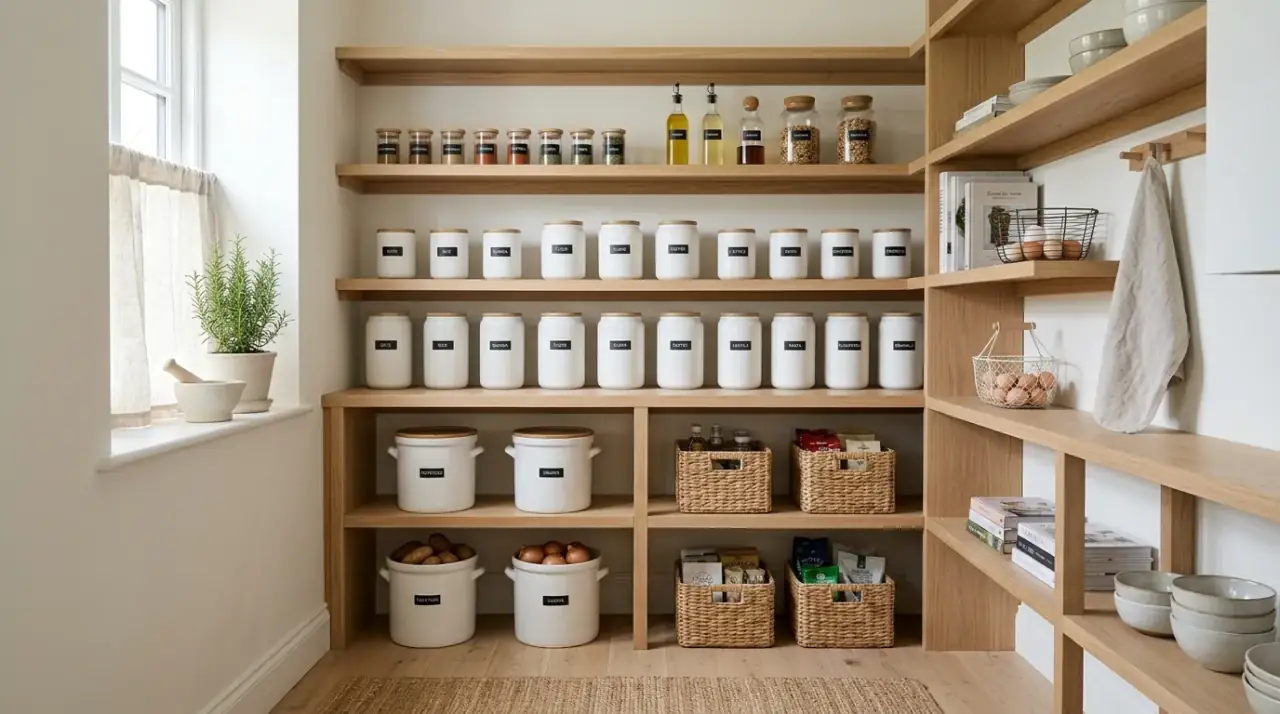
Create a Snack Zone That Children Can Reach Easily
A dedicated snack section can reduce chaos in the pantry because everyone knows where grab-and-go items belong. When it is placed lower, kids can help themselves without disrupting the rest of the food storage.
Rooted in household rhythm and guided by practical independence, a snack zone can help a pantry feel more organized and more welcoming one thoughtful detail at a time. Better zoning often reduces both clutter and conflict.
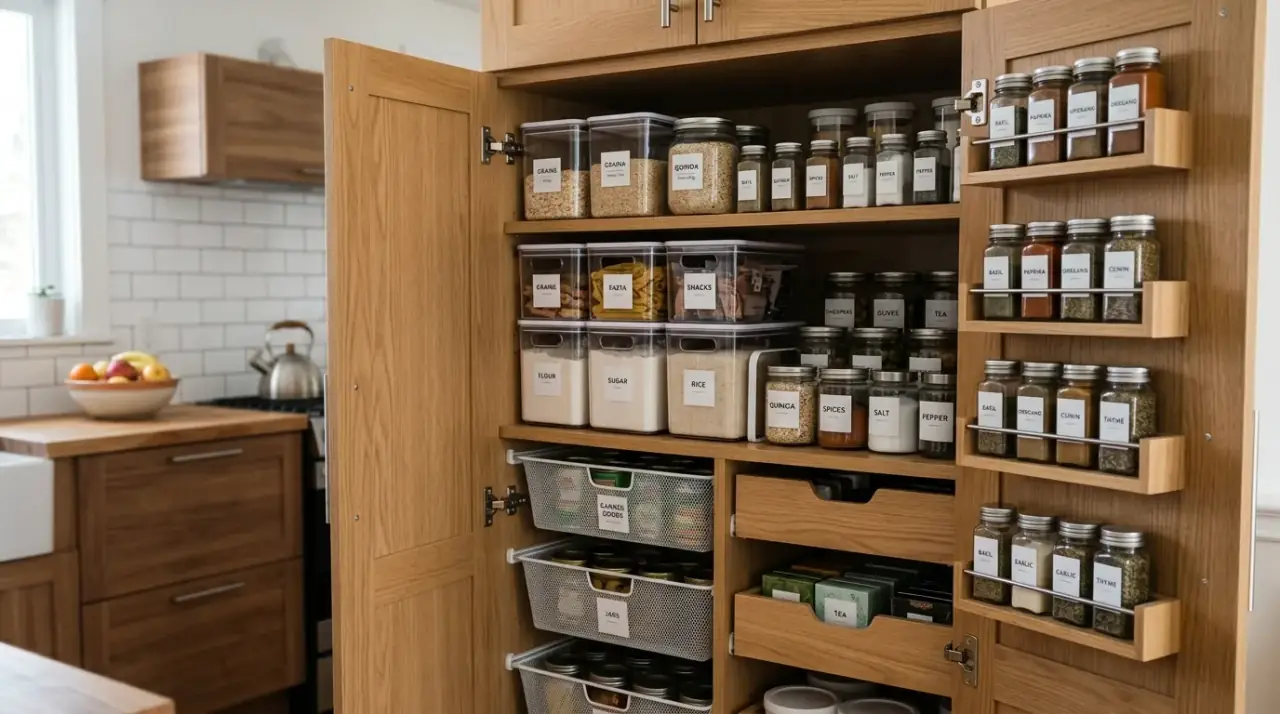
Use Turntables for Bottles and Smaller Jars
Lazy Susans or turntables can work beautifully in pantry corners or on shelves that hold sauces, oils, and condiments. They prevent small bottles from disappearing into the back and make access much less awkward.
Rooted in movement and guided by better reach, turntables can help a pantry feel more functional and more welcoming one thoughtful detail at a time. Rotation often solves storage problems that deeper shelves create.
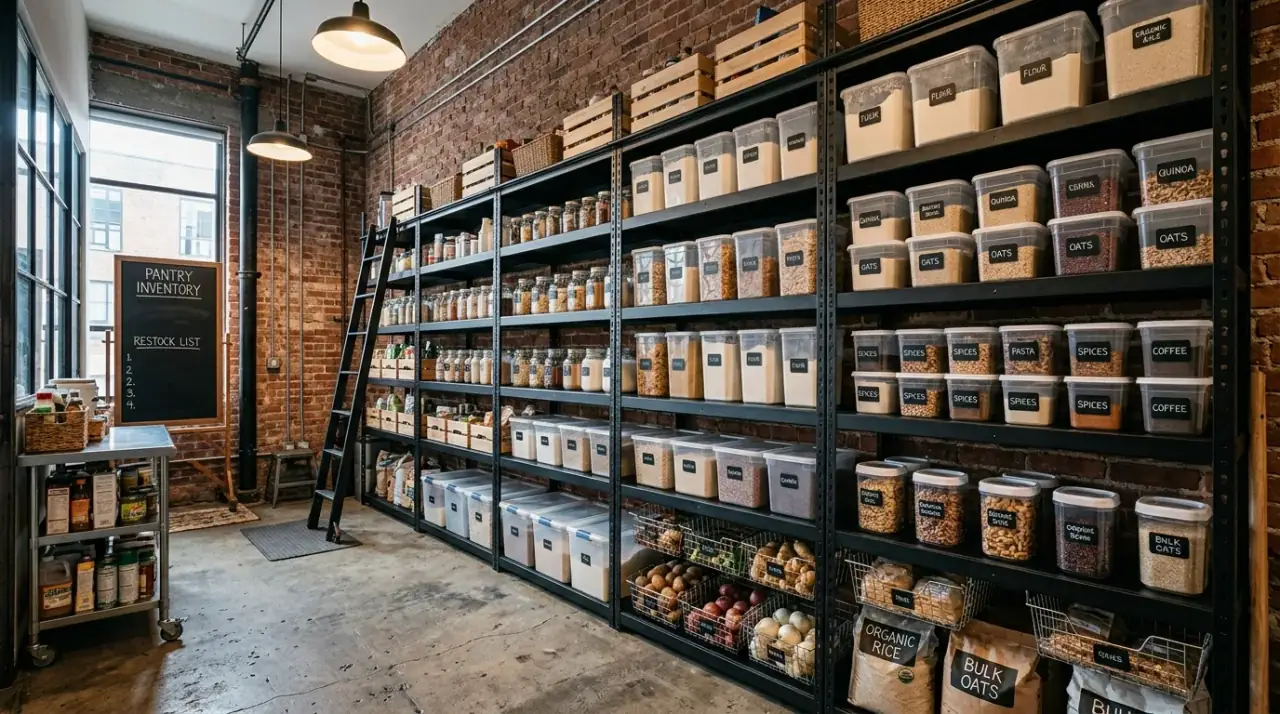
Reserve the Highest and Lowest Shelves for Backup Stock
Items that are used less often or bought in bulk usually belong on the highest and lowest pantry shelves instead of crowding the most accessible middle zone. This keeps daily ingredients front and center.
Rooted in logic and guided by smart hierarchy, backup-stock placement can help a pantry feel more efficient and more welcoming one thoughtful detail at a time. Prime storage space should go to the things you touch most often.
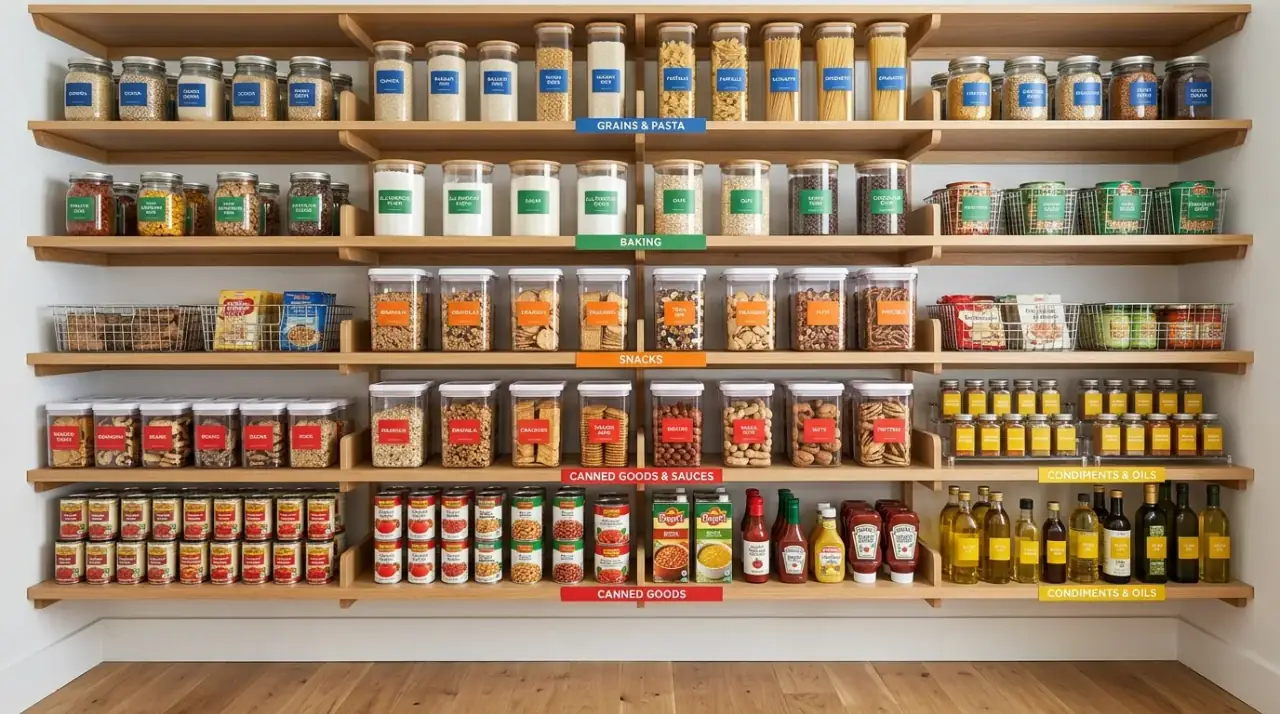
Edit Expired and Duplicate Items Regularly
Even the best pantry system slips when expired foods and duplicate purchases stay hidden in the back. A quick reset every so often can reopen space and help the pantry feel clear again.
Rooted in maintenance and guided by practical discipline, regular editing can help a pantry feel cleaner and more welcoming one thoughtful detail at a time. Order lasts longer when the old and unnecessary are cleared away consistently.
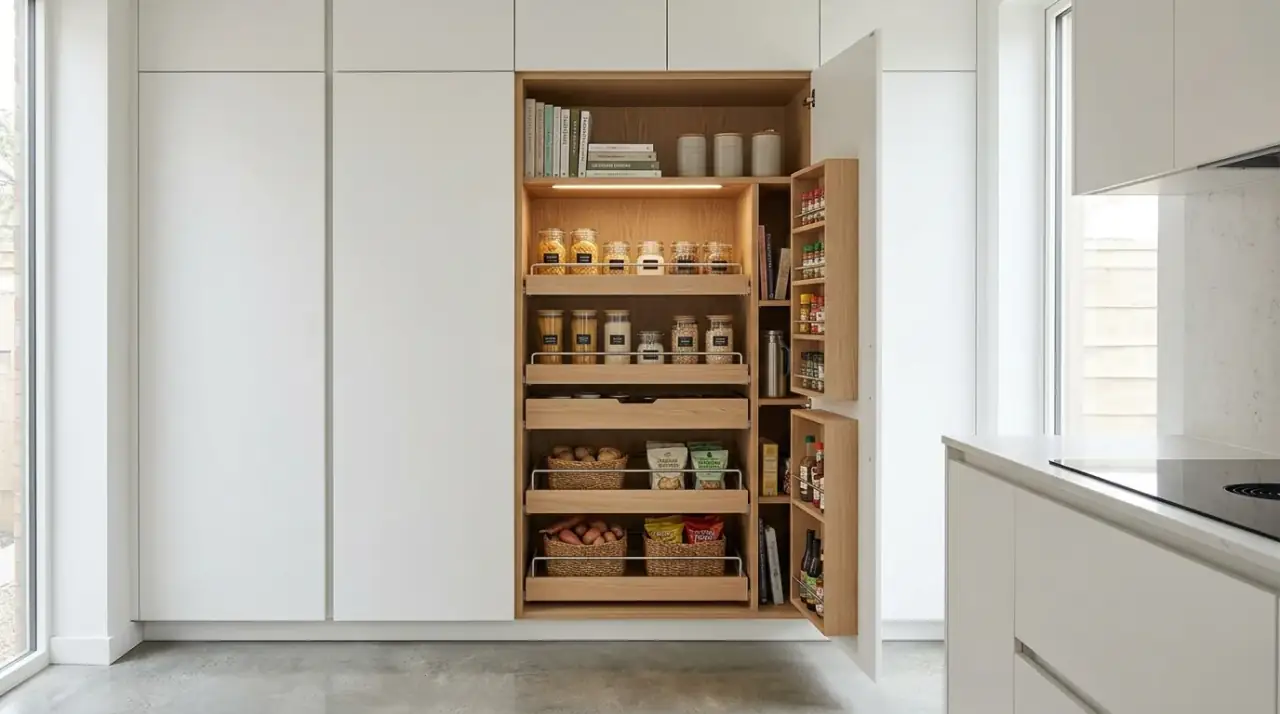
Use Door Storage for Slim Lightweight Pantry Extras
The inside of the pantry door can hold wraps, packets, spice jars, or smaller condiments when the main shelves are already full. These slim surfaces often provide extra storage without taking any additional room.
Rooted in resourcefulness and guided by space-saving design, pantry-door storage can help a kitchen feel more capable and more welcoming one thoughtful detail at a time. Overlooked surfaces often become the smartest solutions.
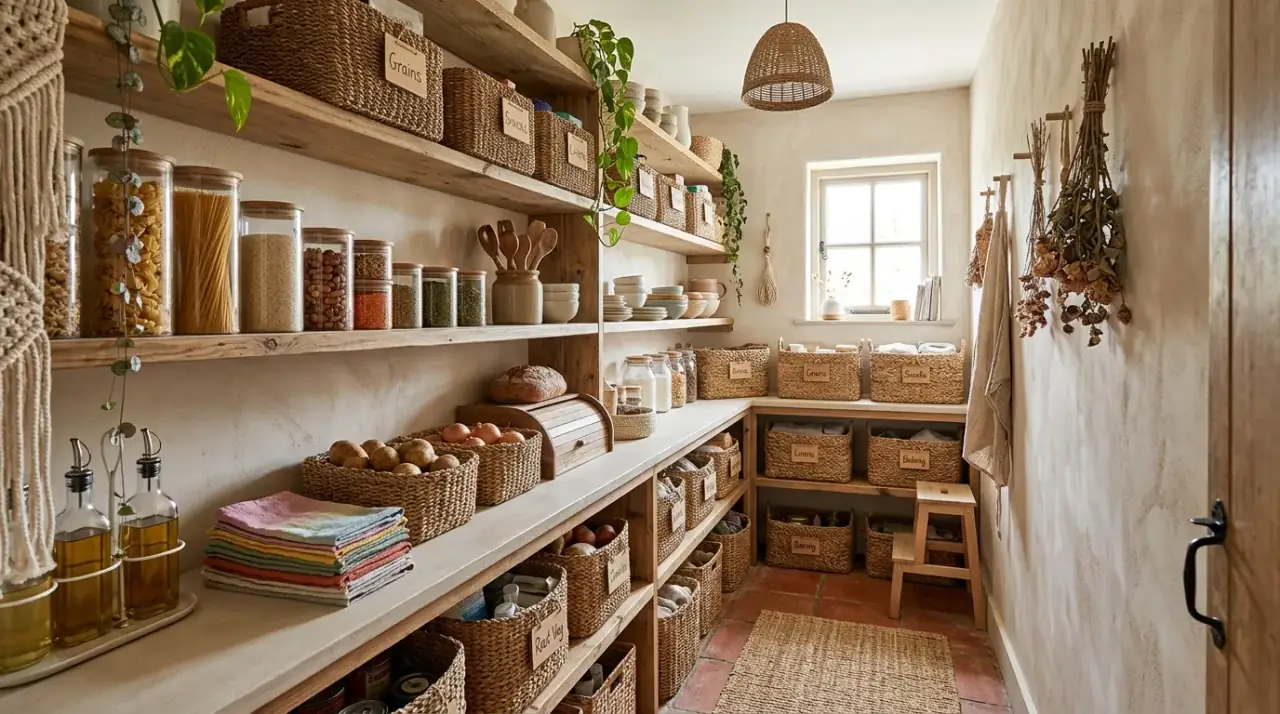
Keep an Inventory Area for Meal Planning Staples
If the pantry supports meal planning, it helps to know quickly what staples are on hand and what is running low. A visible inventory habit or a clearly grouped essentials section can cut down on wasted trips and duplicate shopping.
Rooted in planning and guided by better visibility, staple awareness can help a pantry feel more useful and more welcoming one thoughtful detail at a time. Storage starts serving the household better when it also informs decisions.
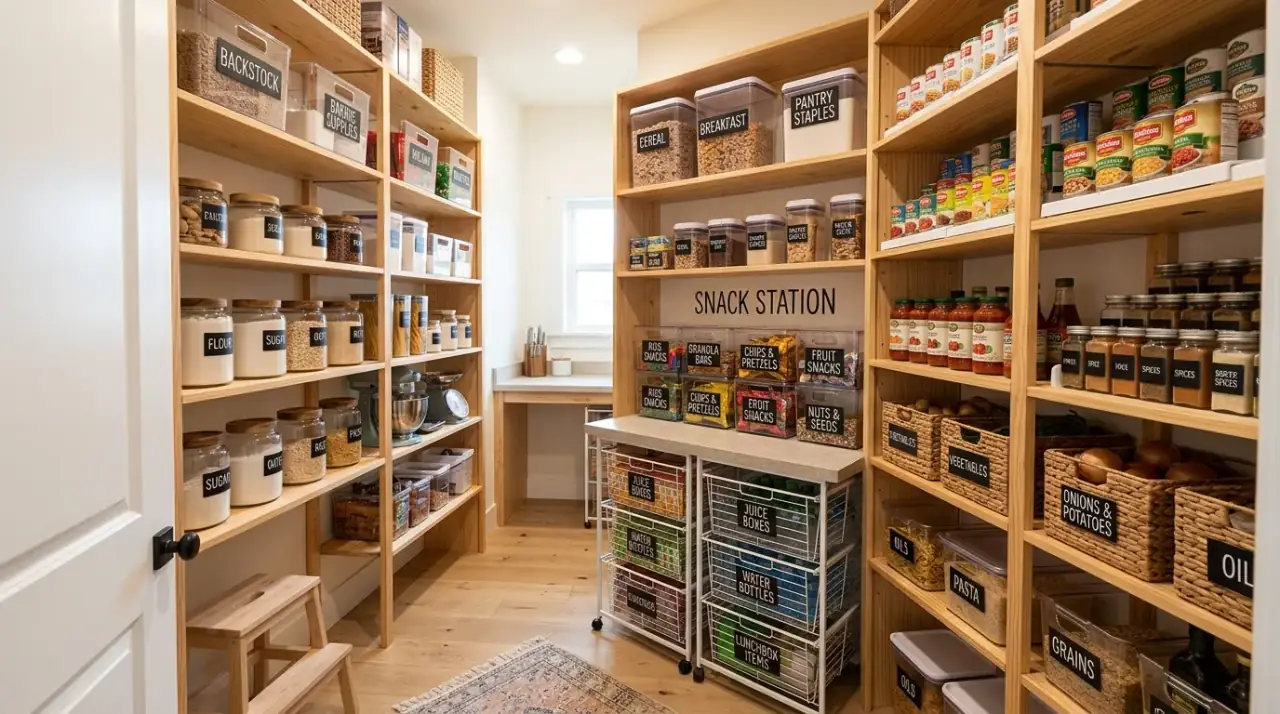
Choose Containers and Bins That Actually Fit the Shelves
Pantry products work best when their dimensions suit the shelf depth and height instead of wasting awkward gaps. Oversized bins can create just as much disorder as having no system at all.
Rooted in fit and guided by practical measurement, right-sized storage tools can help a pantry feel more streamlined and more welcoming one thoughtful detail at a time. The best organizers are the ones that suit the architecture they live in.
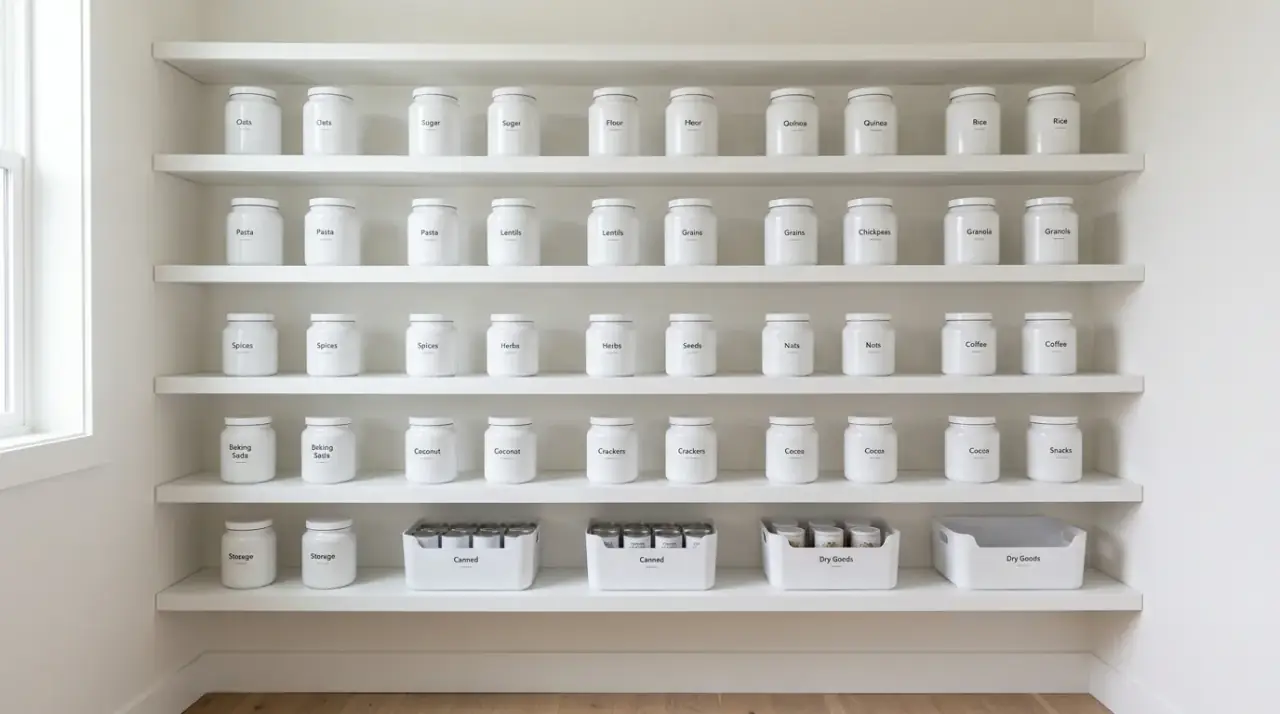
Keep the System Easy Enough That Everyone Can Maintain It
A pantry organization plan should not rely on perfection to survive. The simpler the categories and the easier the resets, the more likely the system is to stay useful in a real busy household.
Rooted in realism and guided by shared use, a manageable pantry system can help a kitchen feel more stable and more welcoming one thoughtful detail at a time. The smartest systems are the ones people can actually keep following.
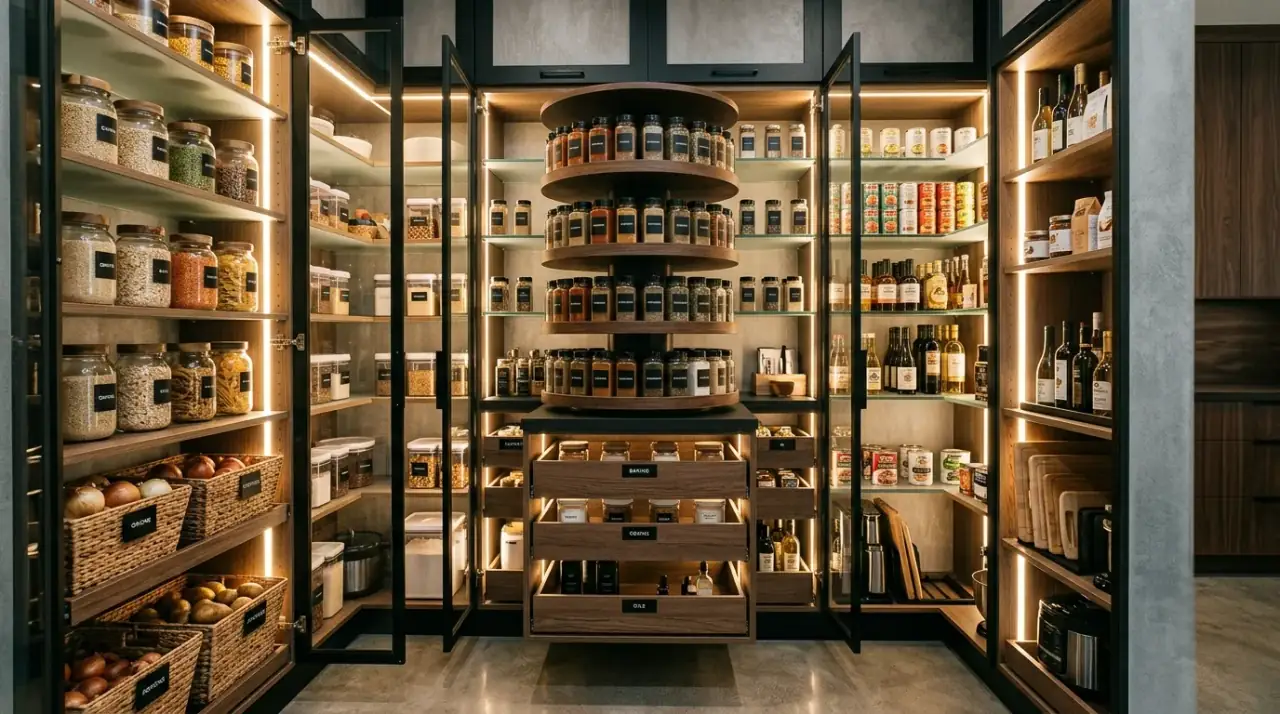
A Tidy Pantry Feels Accessible When Visibility and Logic Work Together
The best pantry organization is not only neat to look at. It makes ingredients easier to find, easier to return, and easier to use in the right moments without extra searching or confusion.
Rooted in creativity and guided by style, smart pantry organization can turn hidden kitchen storage into a warm and welcoming system one thoughtful detail at a time. Its value lasts because it improves the rhythm of the whole room, not just one shelf.