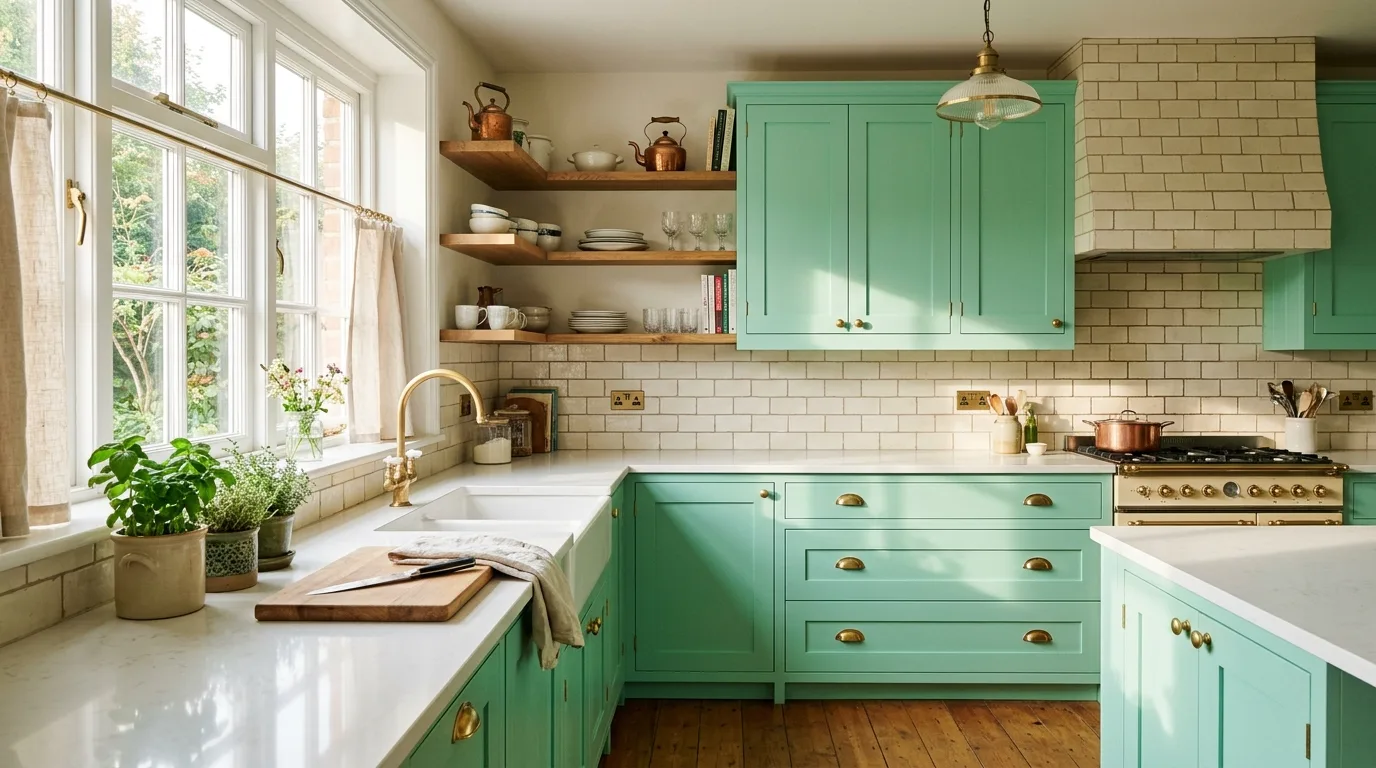
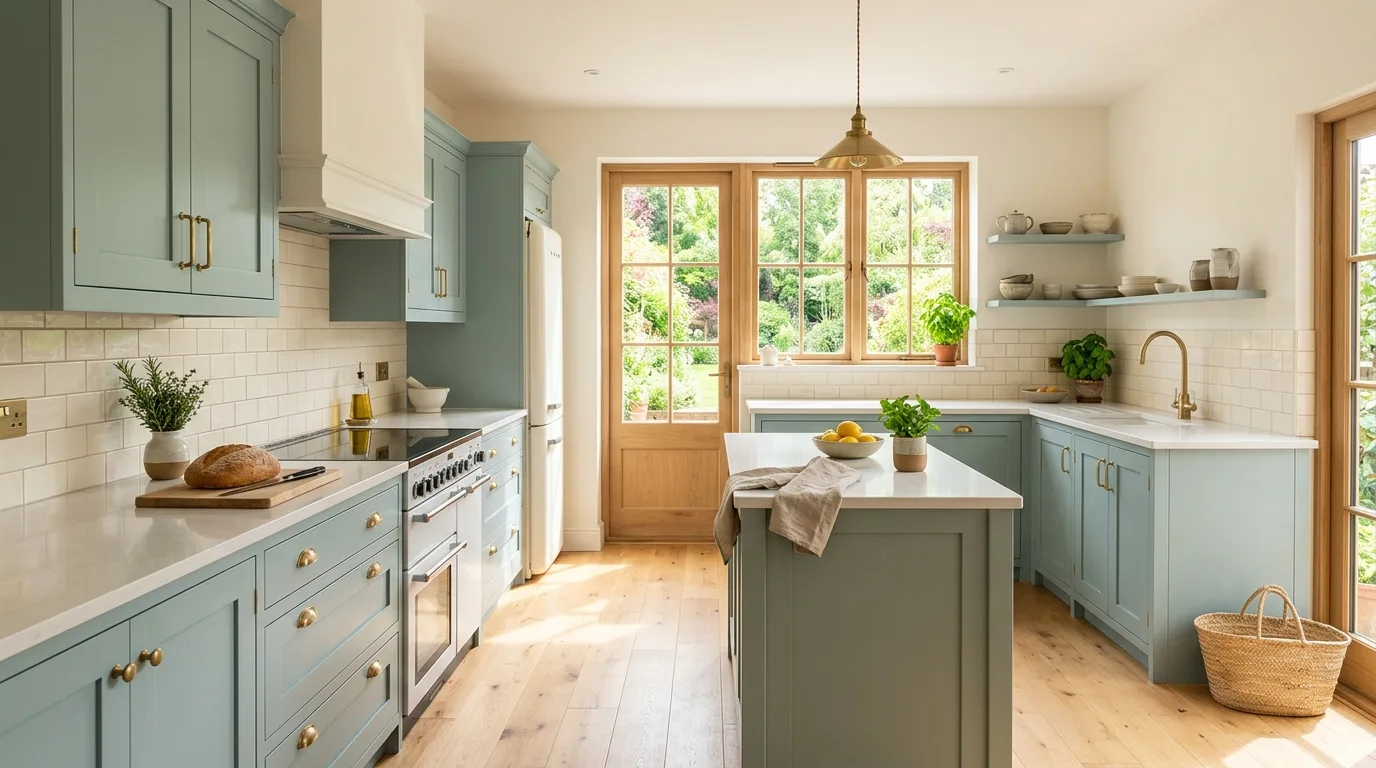
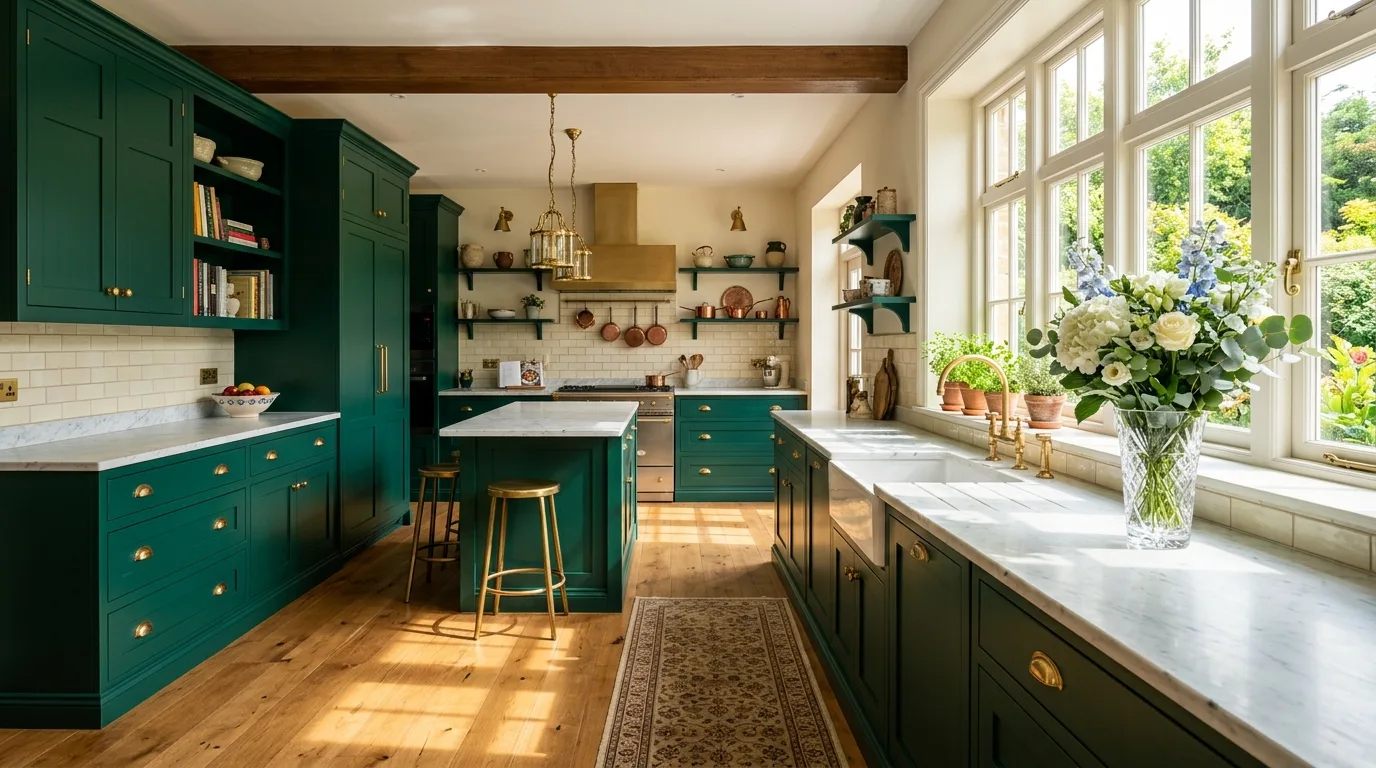
The choice between matte and glossy finishes changes more than surface sheen. It affects how light moves around the kitchen, how fingerprints show up, and whether the room feels soft, sharp, calm, or reflective.
These examples break the comparison into clear design situations rather than abstract rules. If you are choosing cabinet finishes and want a decision that feels practical as well as stylish, this guide should help.
Design ideas to borrow from this palette
Each image below comes from the matching folder inside the local Pictures
library. Use them to compare hardware, countertop, flooring, and styling combinations that
change how the cabinet color reads in a finished kitchen.
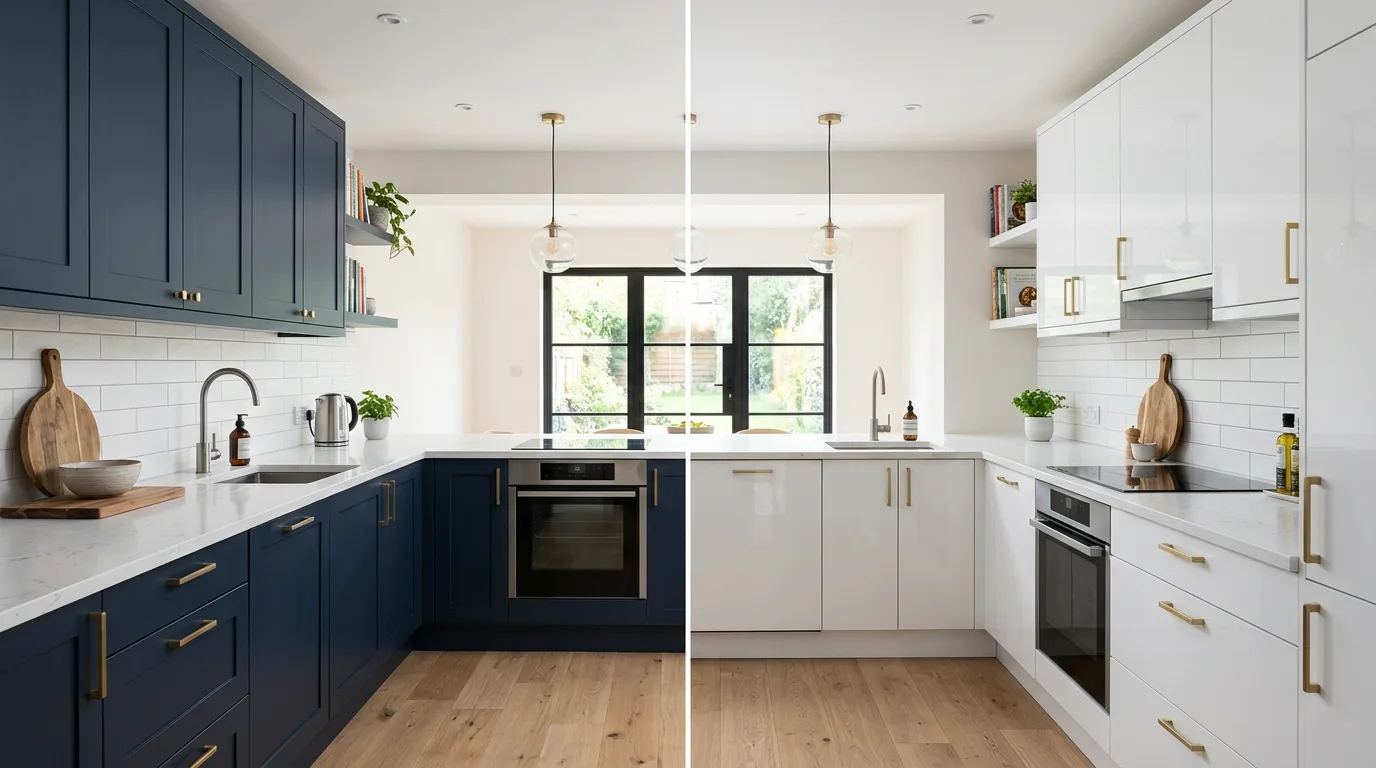
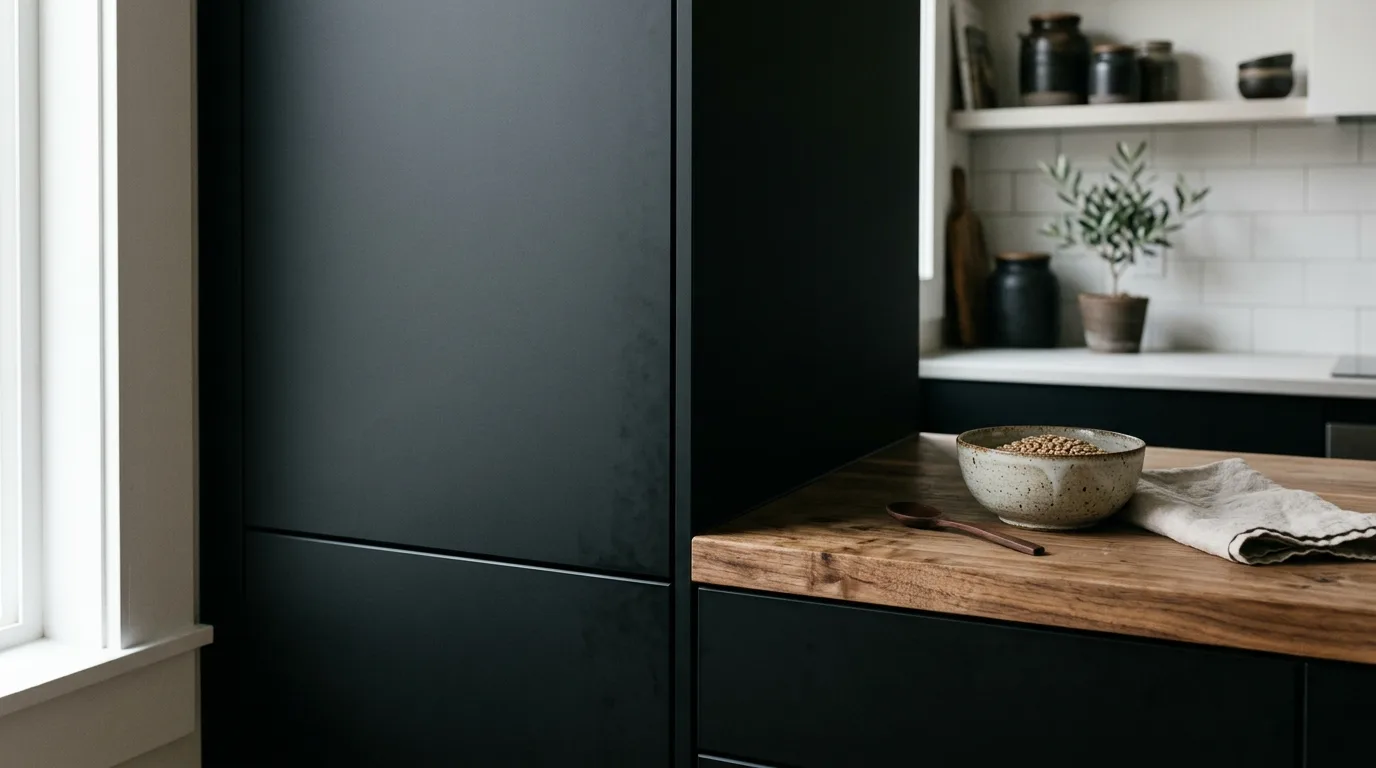
Matte Cabinets for a Softer Modern Look
Matte cabinetry tends to absorb light instead of bouncing it around, which gives the whole kitchen a calmer and more grounded feeling. That makes it a strong choice for people who want modern design without the sharper edge that shine can create.
Rooted in restraint and guided by softness, matte finishes often make a room feel more relaxed and tactile one quiet surface at a time. The result is understated, contemporary, and easy to pair with natural materials.
Glossy Finishes for Maximum Light Reflection
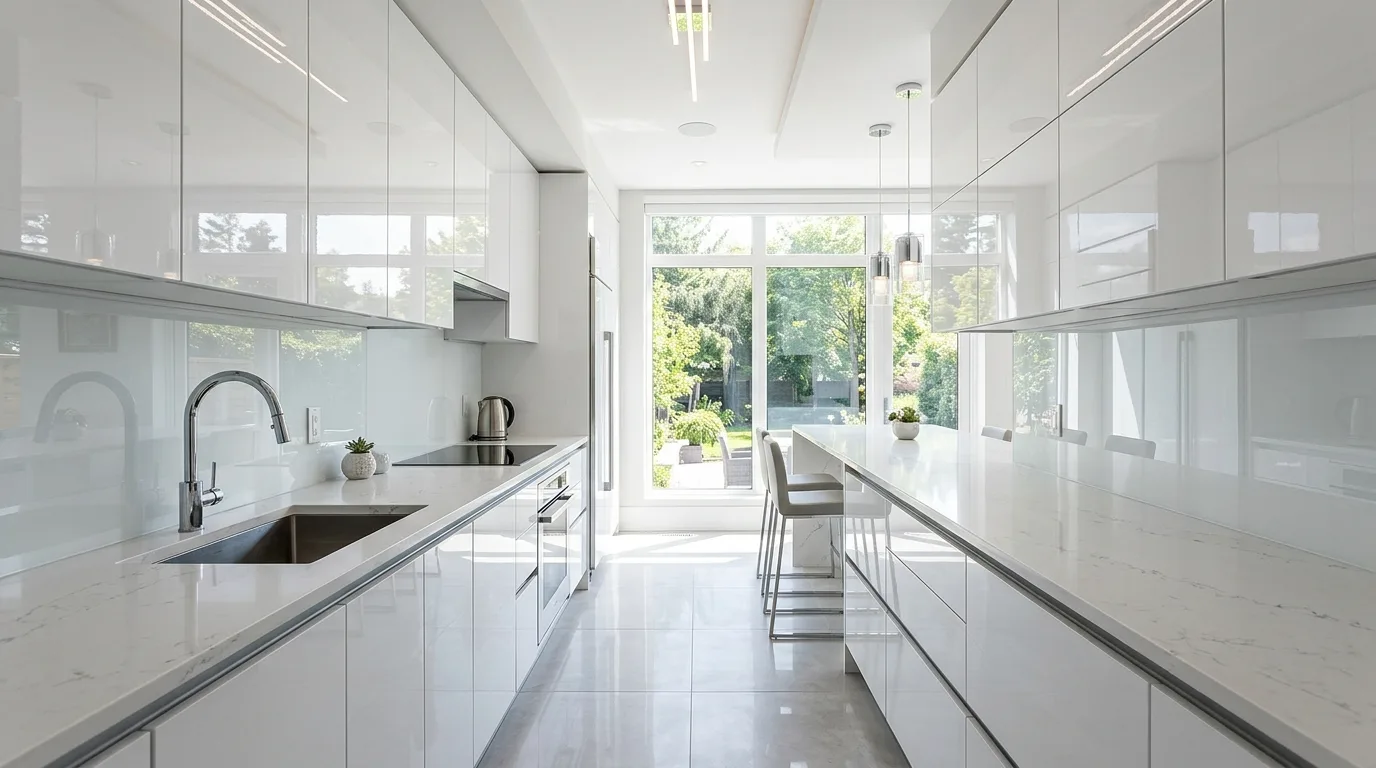
Glossy cabinets reflect daylight and artificial light strongly, which can make smaller kitchens feel brighter and visually larger. That shine also gives the room a cleaner, crisper energy that suits more polished contemporary interiors.
Rooted in brightness and guided by sleek appeal, glossy finishes help a kitchen feel sharper and more expansive than its actual footprint might suggest. The effect is high-impact, airy, and distinctly modern.
Matte Surfaces and Fingerprint Practicality
One of the biggest practical advantages of matte cabinets is that they often disguise fingerprints and smudges better than highly reflective surfaces do. This can be especially helpful in family kitchens or in darker cabinet colors where constant wiping becomes noticeable.
Rooted in daily ease and guided by realism, matte finishes can reduce how much visual maintenance a kitchen seems to need over the course of a week. They feel forgiving, liveable, and less visually demanding.
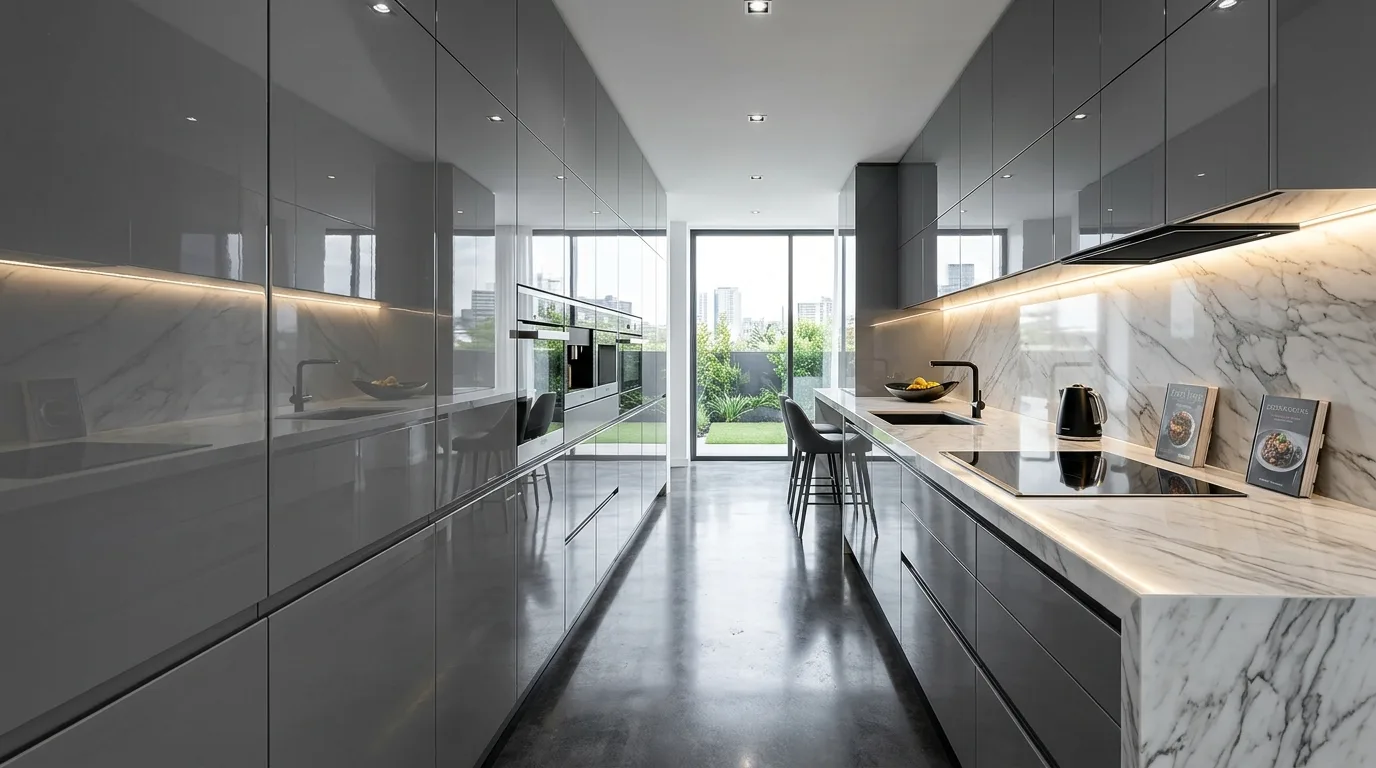
Gloss Cabinets and Easy Wipe-Down Appeal
Gloss cabinets often wipe clean very easily because their sealed reflective surface does not hold onto grease or splashes as readily as more textured finishes can. In busy cooking zones, that can be a real advantage even if fingerprints show faster.
Rooted in practicality and guided by polished performance, glossy cabinetry suits kitchens that want fast cleanup and a visually sharp finish. It brings convenience, but it asks for slightly more regular attention.
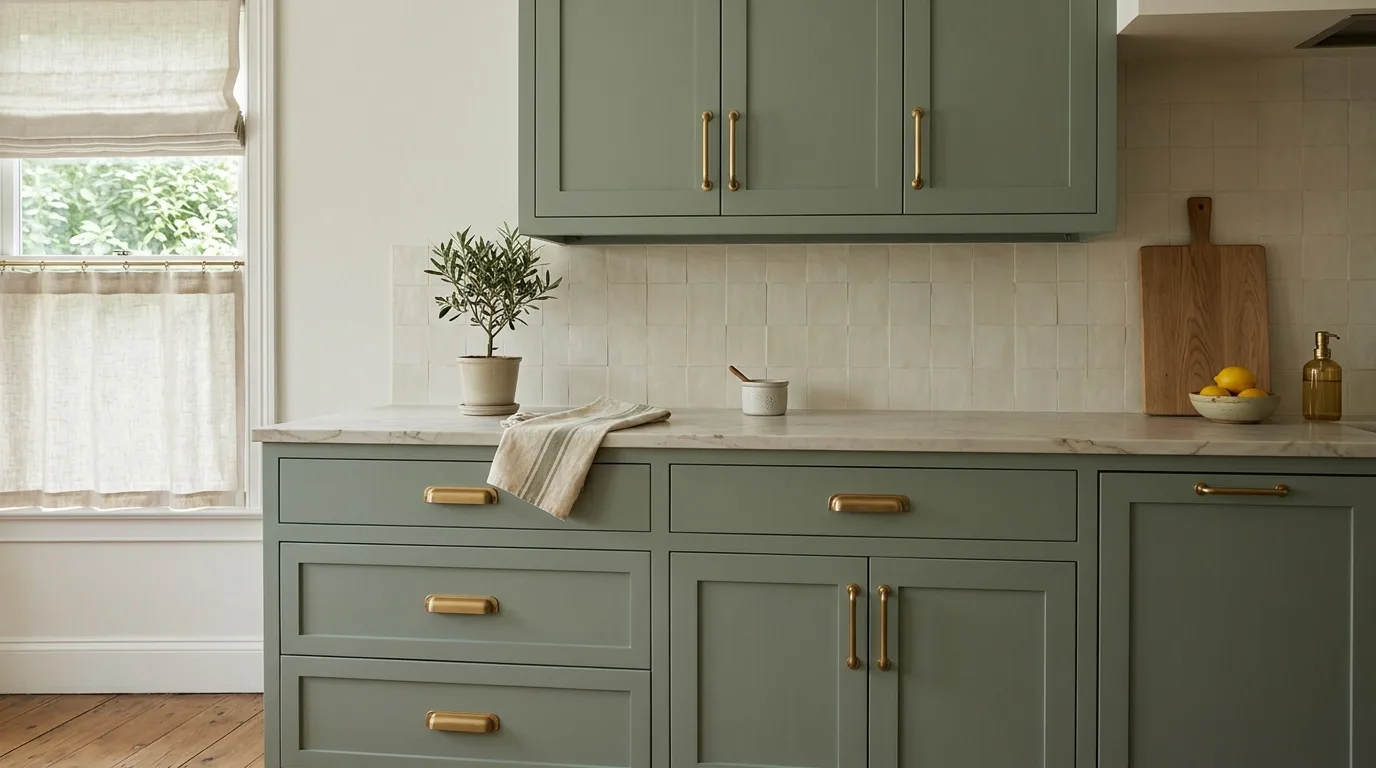
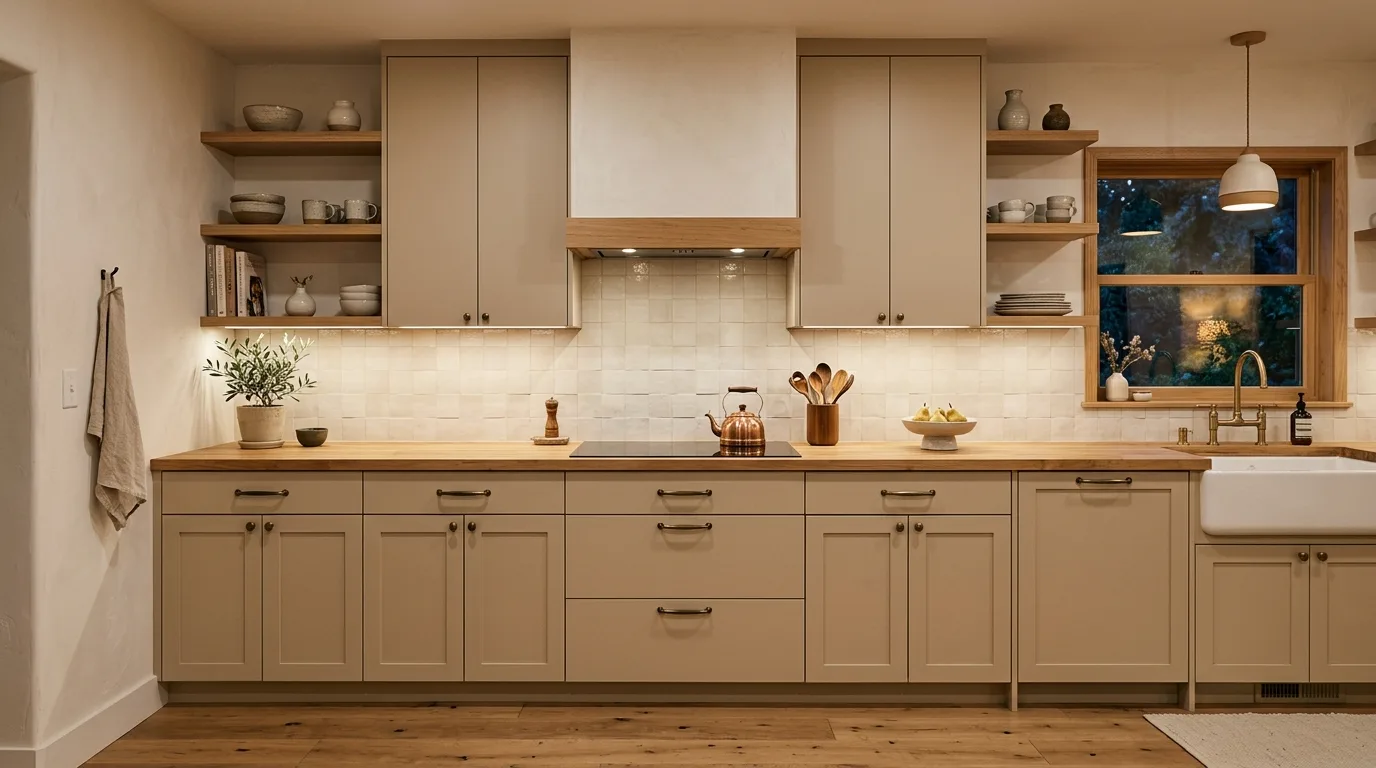
Matte Finishes with Natural Wood Pairings
Matte cabinetry usually pairs beautifully with timber, stone, and linen-like textures because all of those materials share a quieter visual character. The combined look feels warmer and more tactile than a kitchen driven by shine and reflection.
Rooted in material harmony and guided by natural warmth, matte finishes help kitchens feel human and grounded even when the layout is very modern. The whole room reads calmer and more layered.
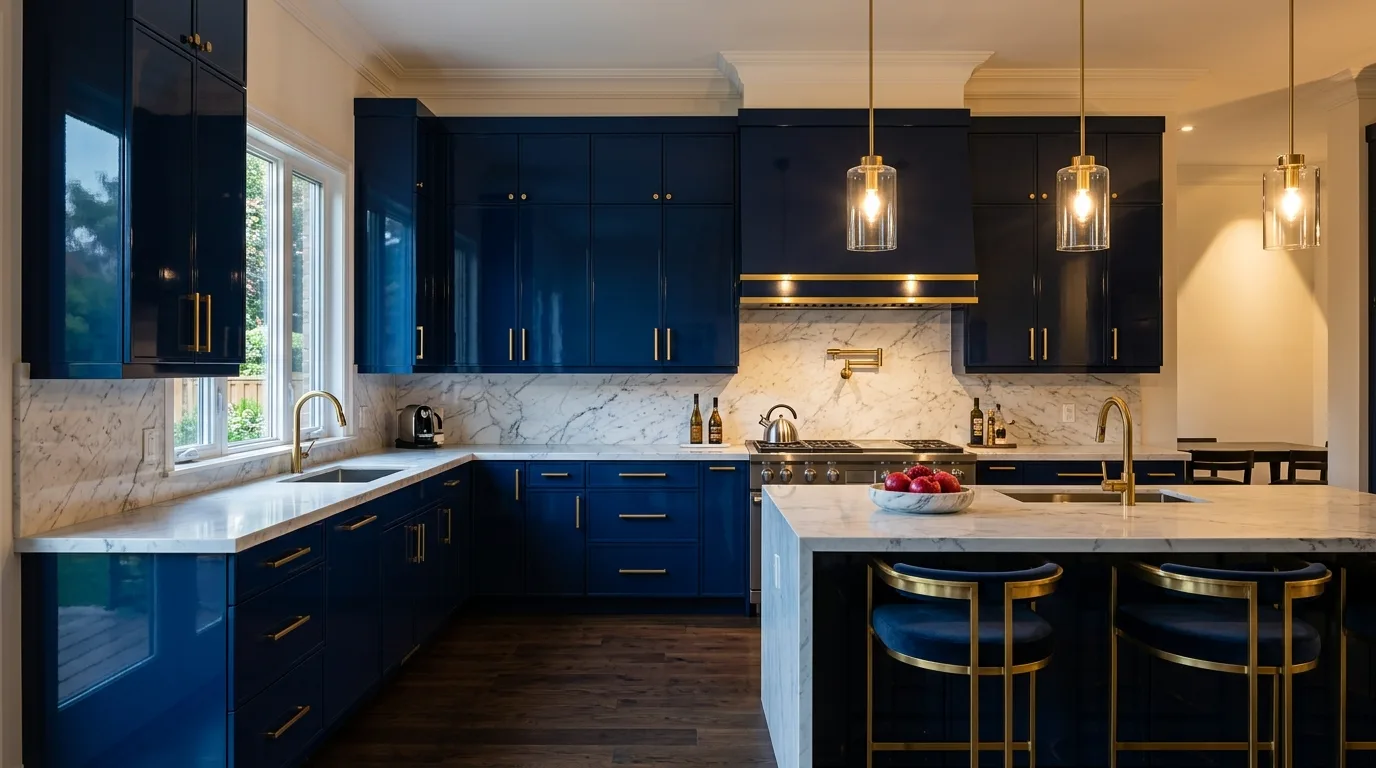
Glossy Cabinets in Compact Kitchens
Gloss is often recommended for smaller kitchens because it can visually stretch the space through light reflection. Walls, cabinets, and even backsplashes can work together to make a tighter room feel more open and less boxed in.
Rooted in visual expansion and guided by brightness, glossy finishes offer a helpful design tool when square footage is limited one reflective plane at a time. The room feels more energetic, open, and freshly polished.
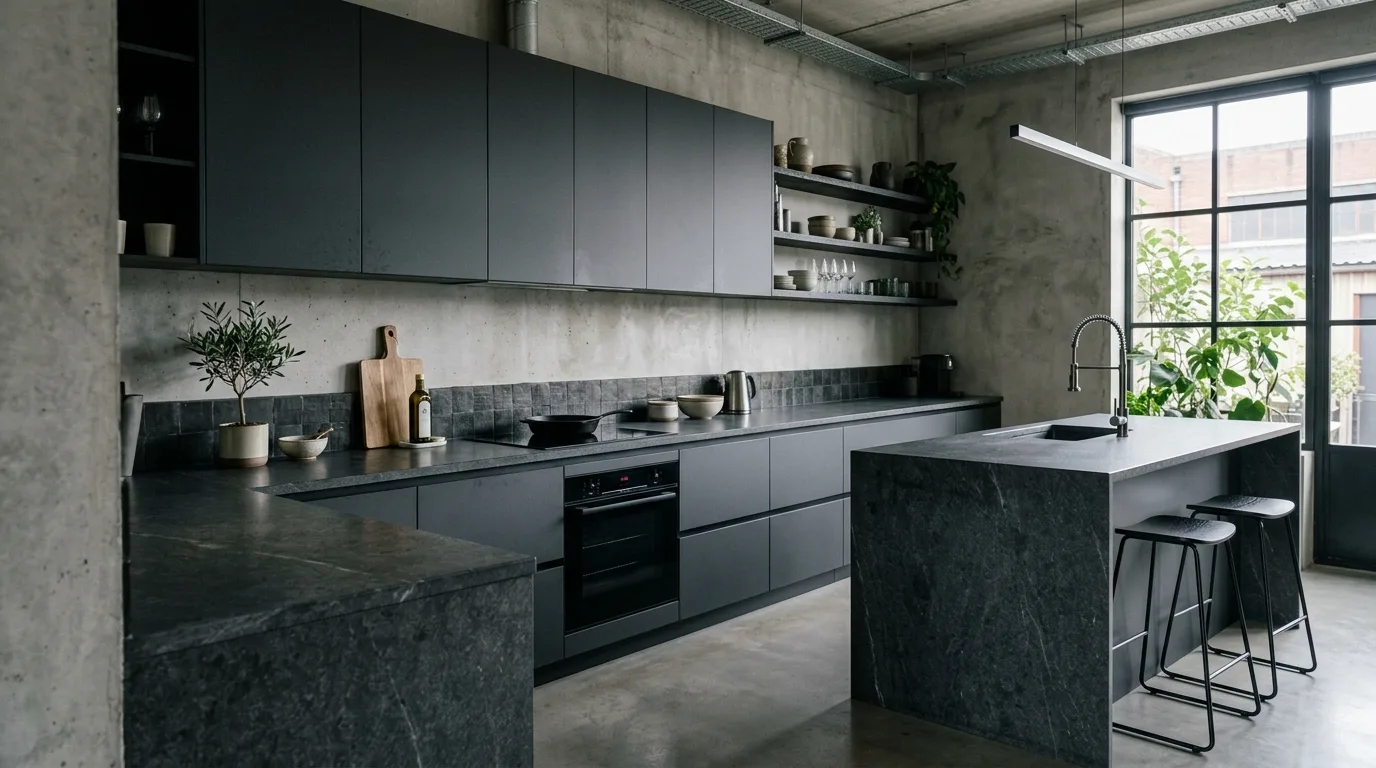
Matte Dark Colors for Moody Depth
Dark cabinet colors often look richer in matte because the surface lets the pigment carry the drama without the distraction of harsh glare. Forest green, charcoal, and navy all feel deeper and more enveloping in a low-sheen finish.
Rooted in depth and guided by sophistication, matte dark cabinetry turns strong colors into something calm, atmospheric, and highly design-led. The mood feels luxurious rather than flashy.
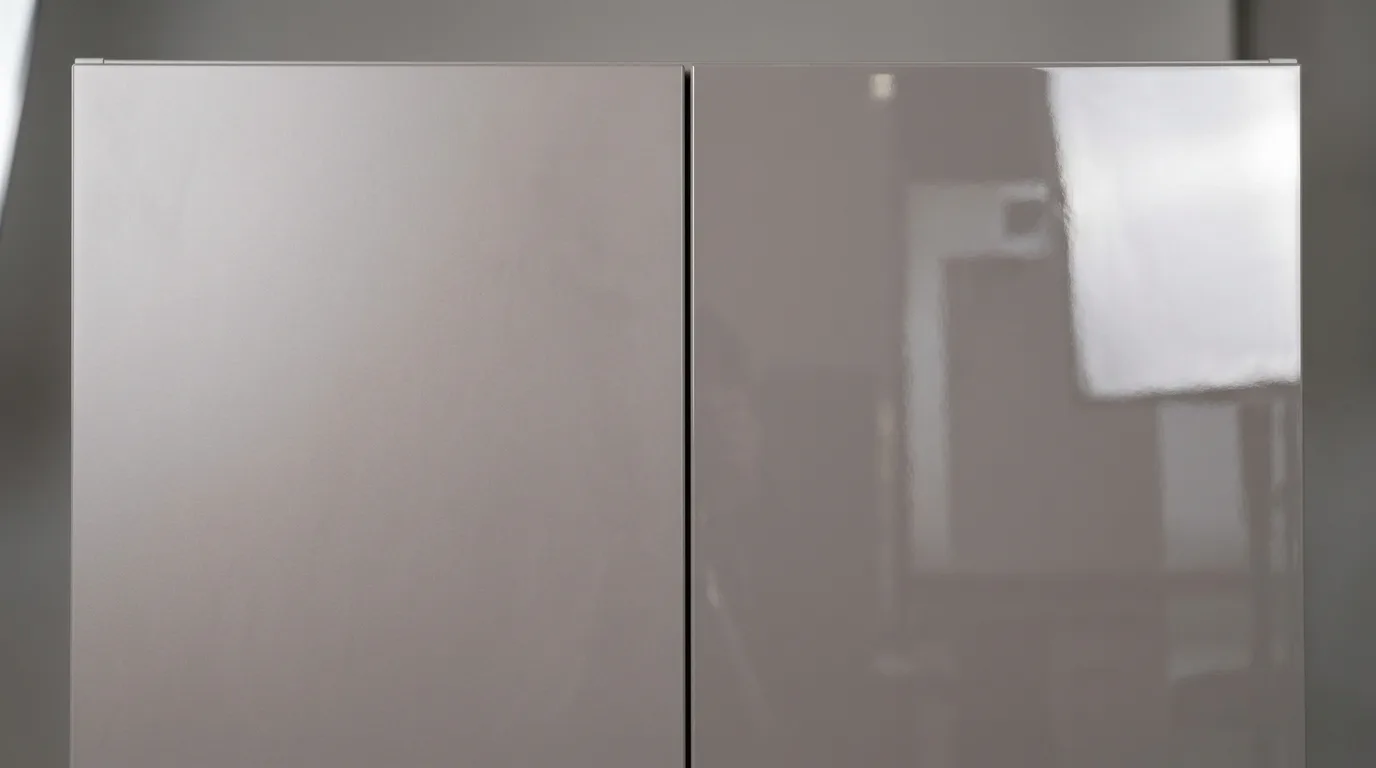
Gloss White for Sharp Contemporary Style
White gloss cabinets can make a kitchen feel especially crisp because the reflective finish reinforces the cleanliness of the color itself. The result is a look that feels futuristic, precise, and highly edited when the surrounding materials stay disciplined.
Rooted in clarity and guided by sleek modern design, gloss white is ideal for kitchens chasing brightness and strong visual freshness one polished surface at a time. It feels energetic, spacious, and unmistakably contemporary.
Mixed Matte and Gloss for Layered Contrast
Some of the most successful kitchens use matte and gloss together so each finish does a different job. Matte lowers can ground the room while glossy uppers or a gloss backsplash bring lift, reflection, and a little extra movement.
Rooted in contrast and guided by balance, this mixed approach gives a kitchen more design nuance without forcing an all-or-nothing decision. It feels deliberate, flexible, and visually more layered.
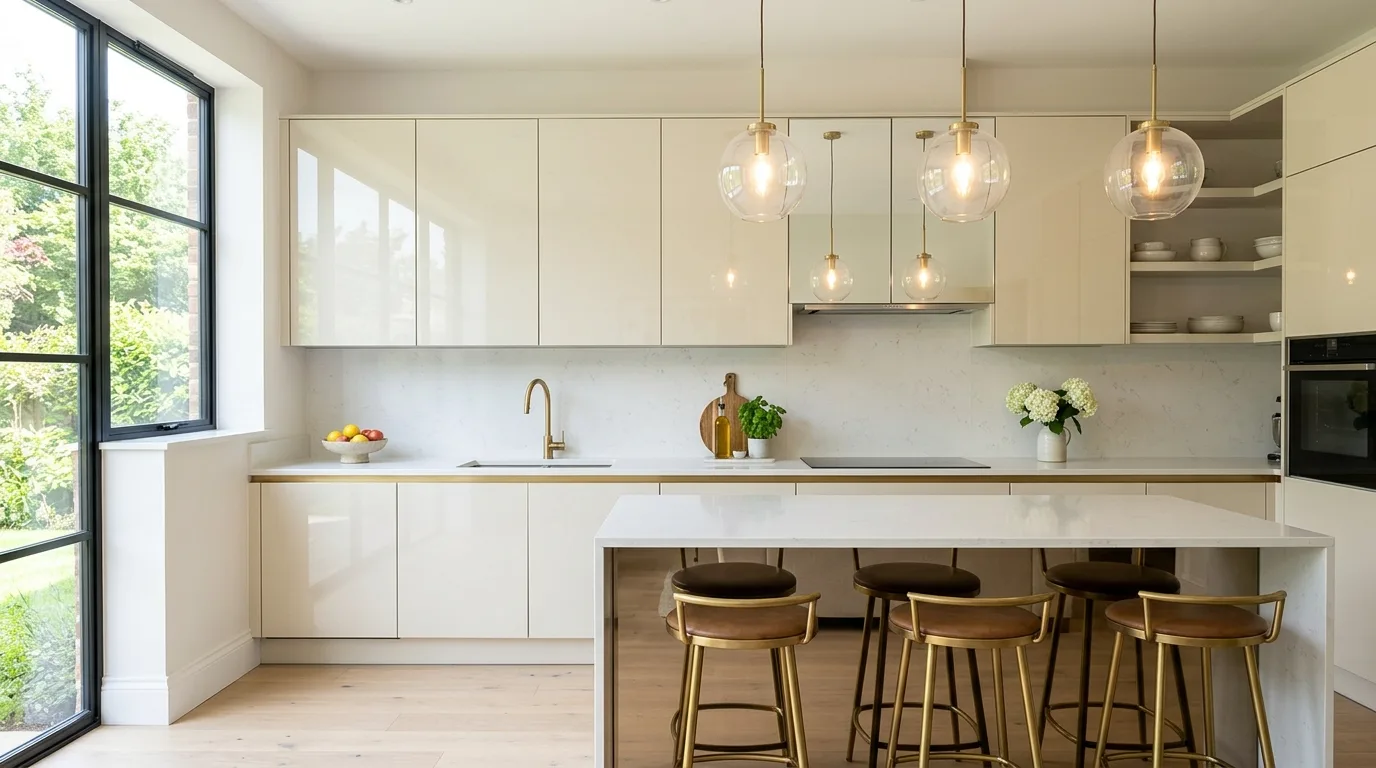
How Lighting Changes Both Finish Types
Lighting has a major effect on how any kitchen finish behaves. Gloss can feel luxurious in soft daylight but harsh under the wrong artificial light, while matte can look elegant in warm settings but slightly flat if the room is underlit.
Rooted in context and guided by practical design thinking, the right finish choice depends as much on the kitchen's light conditions as on personal taste. That awareness leads to a much more satisfying long-term result.
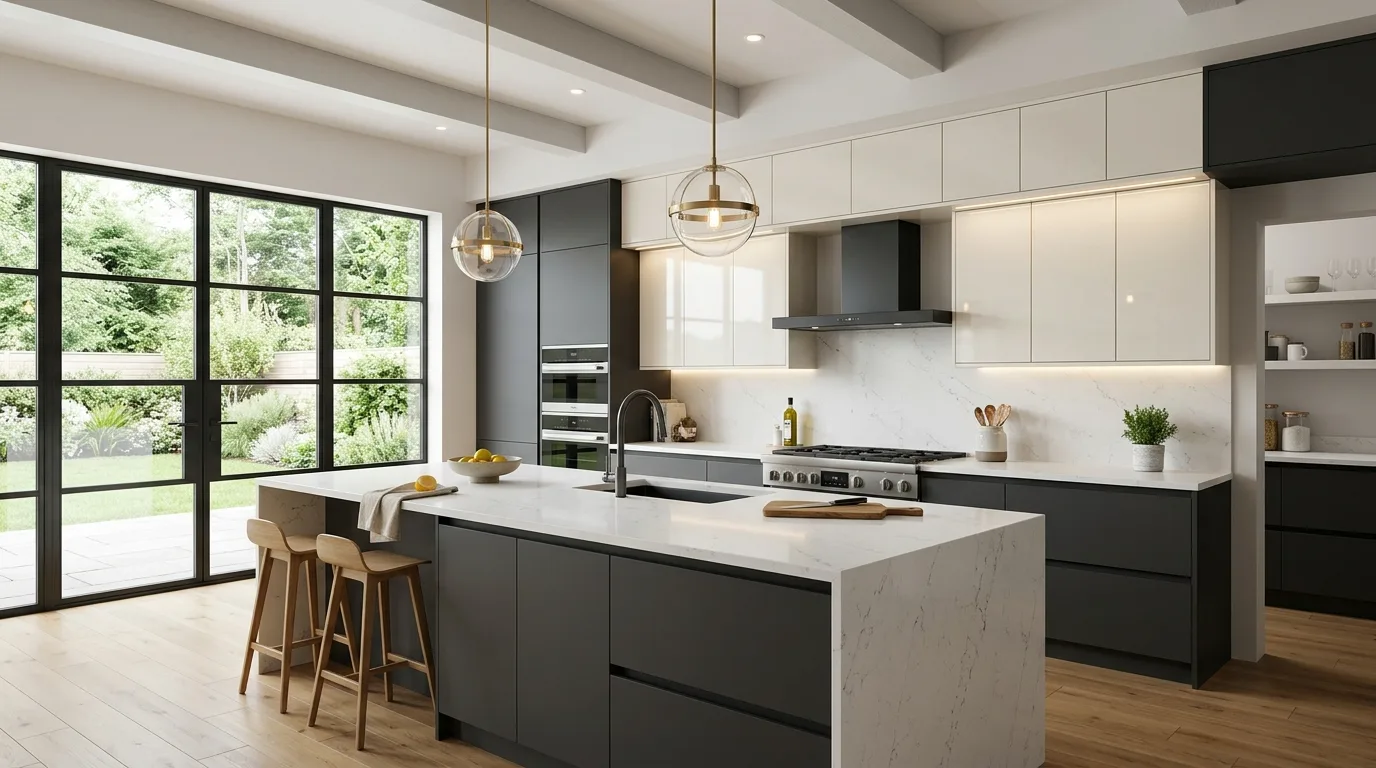
Choosing the Finish That Matches Your Routine
The best finish is the one that fits the way the kitchen is actually used, not just the one that looks strongest in a single image. Cleaning habits, household traffic, light quality, and the mood you want all matter more than trend alone.
Rooted in usability and guided by personal style, this final comparison shows that the matte-versus-gloss decision is really about how you want the kitchen to feel one thoughtful detail at a time. The right answer is the one that supports both the room and the people living in it.