Cabinets often hold the greatest share of kitchen clutter because they hide more than they solve. Good organization changes that by giving categories structure, improving access, and making it easier to put things back where they belong.
These ideas focus on cabinet storage that feels practical enough to keep up long term. If your cupboards are overstuffed or frustrating to use, a better internal system can make the whole kitchen work better.
Design ideas to borrow from this palette
Use the ideas below to compare hardware, countertop, flooring, and styling combinations that change how the cabinet color reads in a finished kitchen.
Group Cabinets by Task Instead of by Random Category
Dishes near the dishwasher, oils near prep, and baking tools near mixing zones all make cabinet use more intuitive. Functional zoning reduces backtracking and helps the room feel naturally more organized.
Rooted in workflow and guided by daily efficiency, task-based cabinet planning can help a kitchen feel tidier and more welcoming one thoughtful detail at a time. Cabinets work best when their contents match the actions happening nearby.
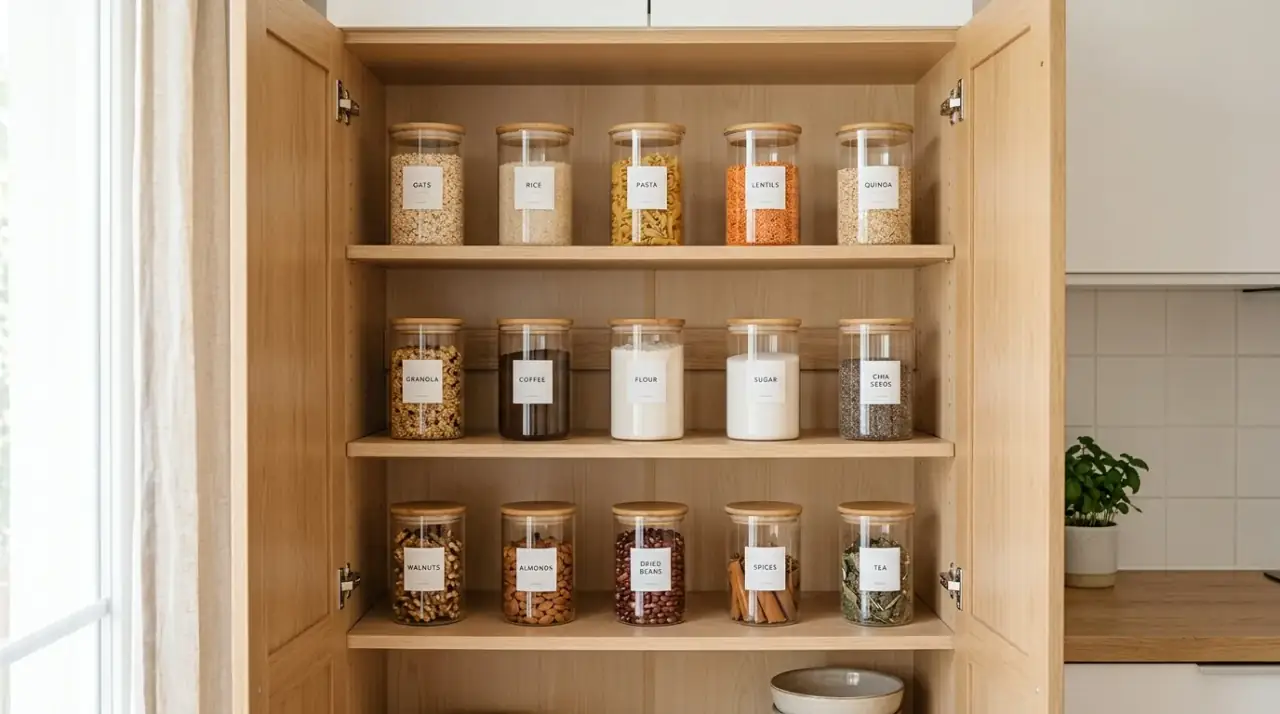
Use Shelf Risers to Double the Useful Height
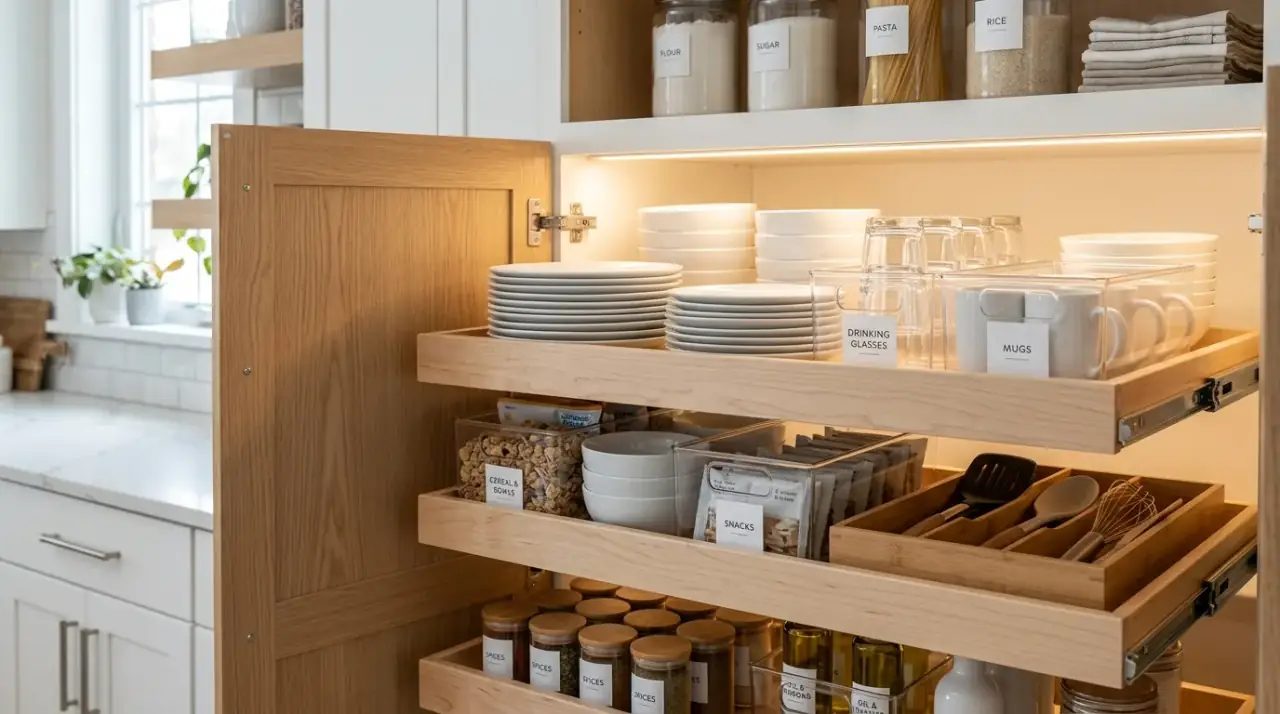
Shelf risers make stacked dishes, mugs, or pantry goods easier to separate and access without creating unstable piles. They turn wasted vertical space into a second practical layer.
Rooted in efficiency and guided by better use of volume, shelf risers can help a cabinet feel more capable and more welcoming one thoughtful detail at a time. A little internal structure often creates more space than a larger cabinet would.
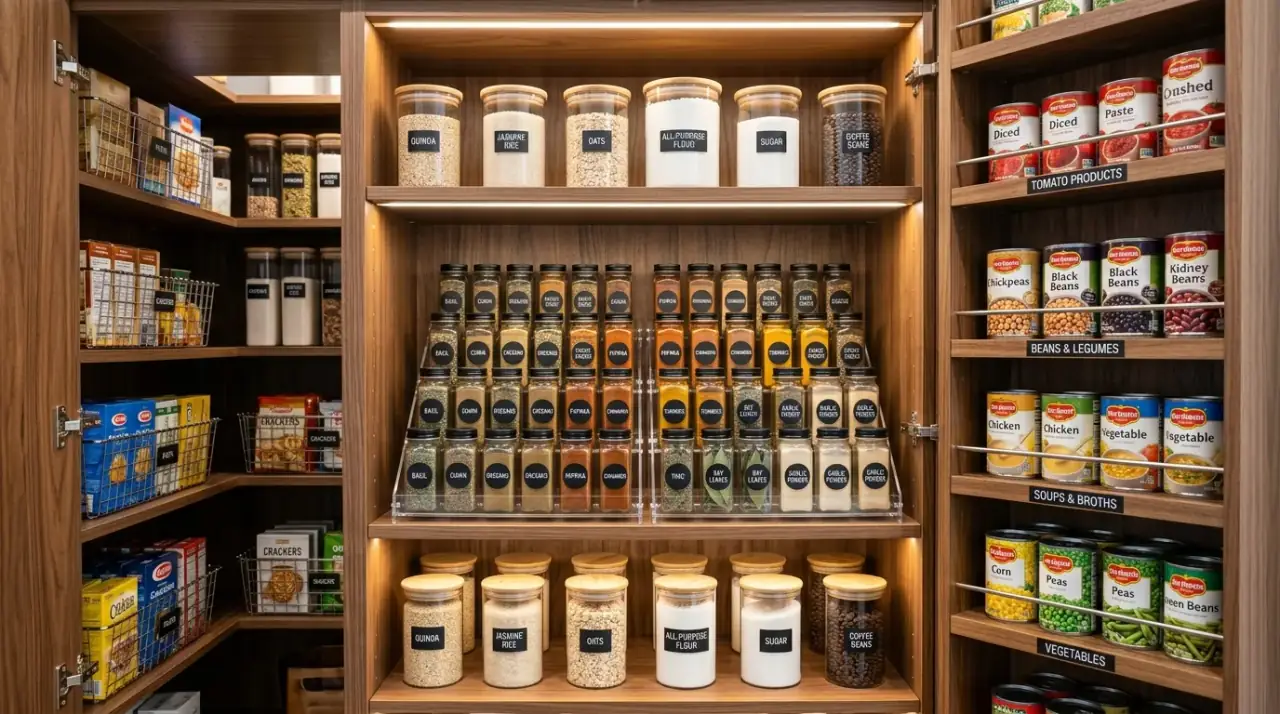
Store Similar Containers Together in Bins or Caddies
Bins can corral small pantry packets, baking extras, or lunch supplies so items stop drifting across several shelves. They also make it much easier to pull out one category at a time.
Rooted in containment and guided by cleaner categories, cabinet bins can help a kitchen feel more orderly and more welcoming one thoughtful detail at a time. The clutter free look usually starts with making loose items move as one group.
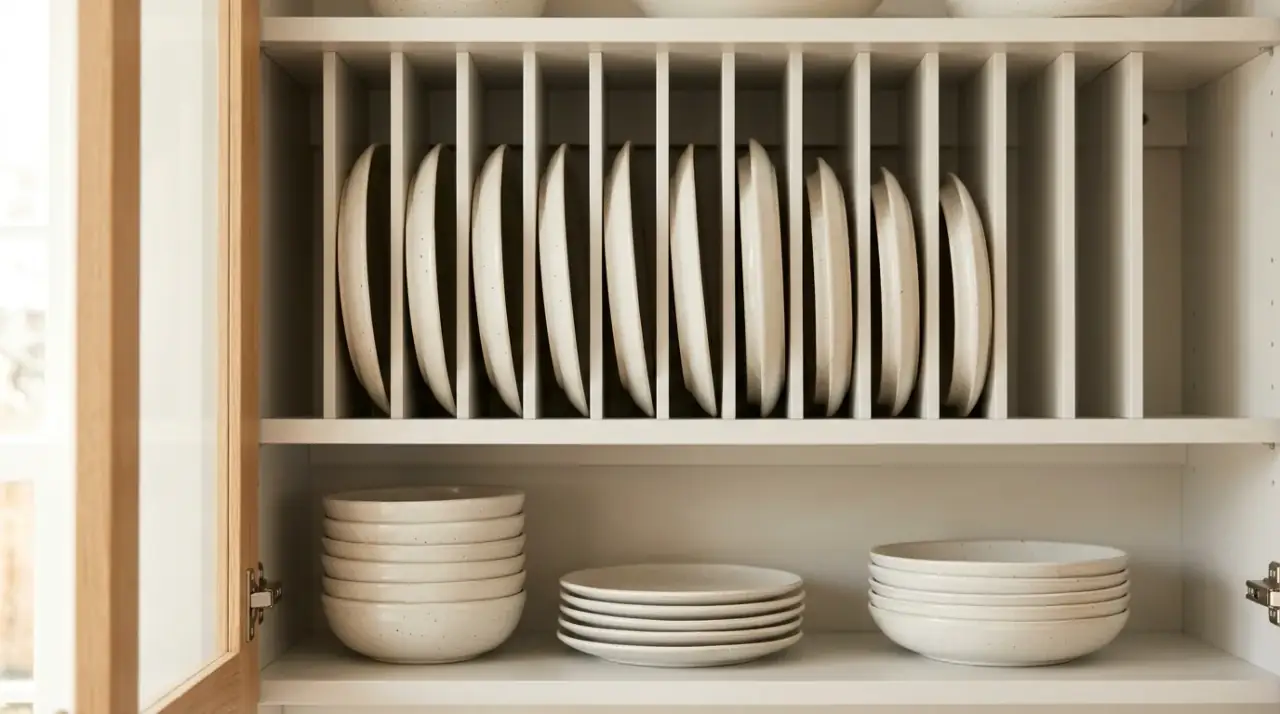
Use Pull Out Trays for Deeper Lower Cabinets
Deep lower cabinets can become black holes unless the contents are able to slide forward. Pull out trays make pots, small appliances, or dry goods far easier to reach and far less likely to be forgotten.
Rooted in access and guided by smarter ergonomics, pull out storage can help a cabinet feel more functional and more welcoming one thoughtful detail at a time. Organization improves dramatically when hidden items no longer stay buried.
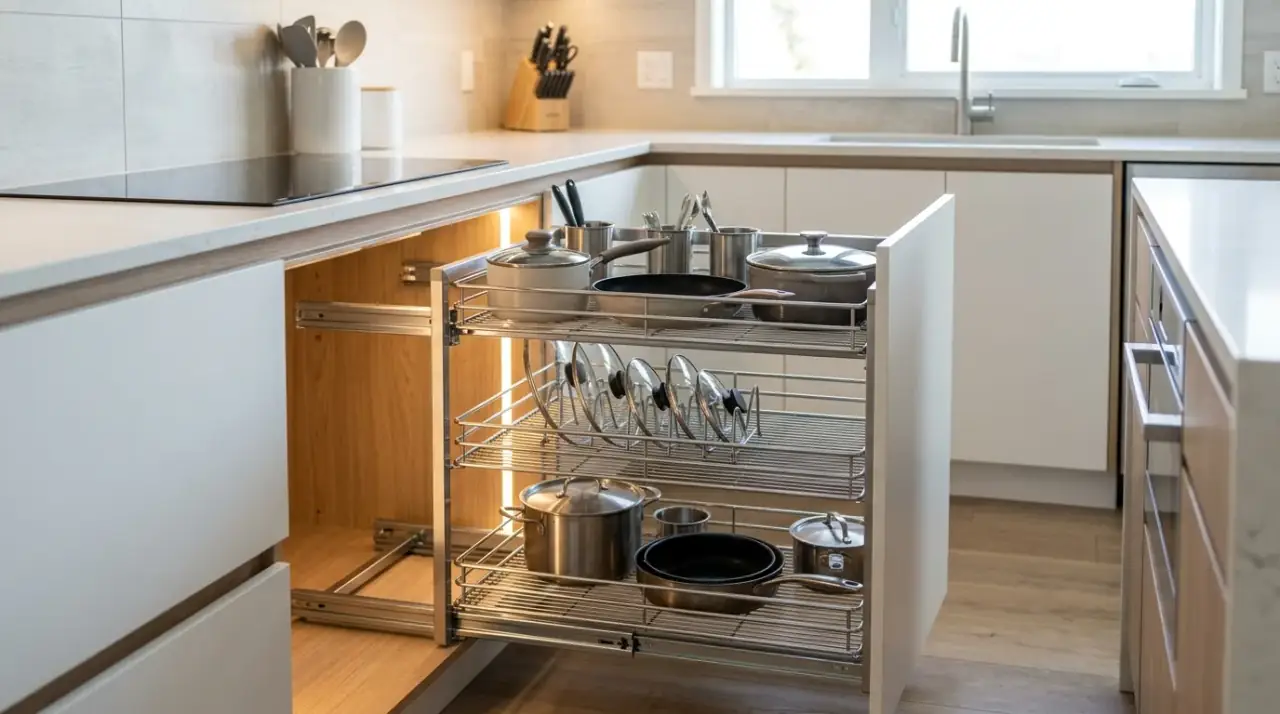
Keep Frequently Used Dishes at the Easiest Height
Everyday plates, bowls, and glasses should live where they can be grabbed quickly without crouching or reaching too far overhead. This simple adjustment makes routines feel smoother immediately.
Rooted in convenience and guided by realistic use, easier access storage can help a kitchen feel more efficient and more welcoming one thoughtful detail at a time. The categories you touch daily deserve the least friction possible.
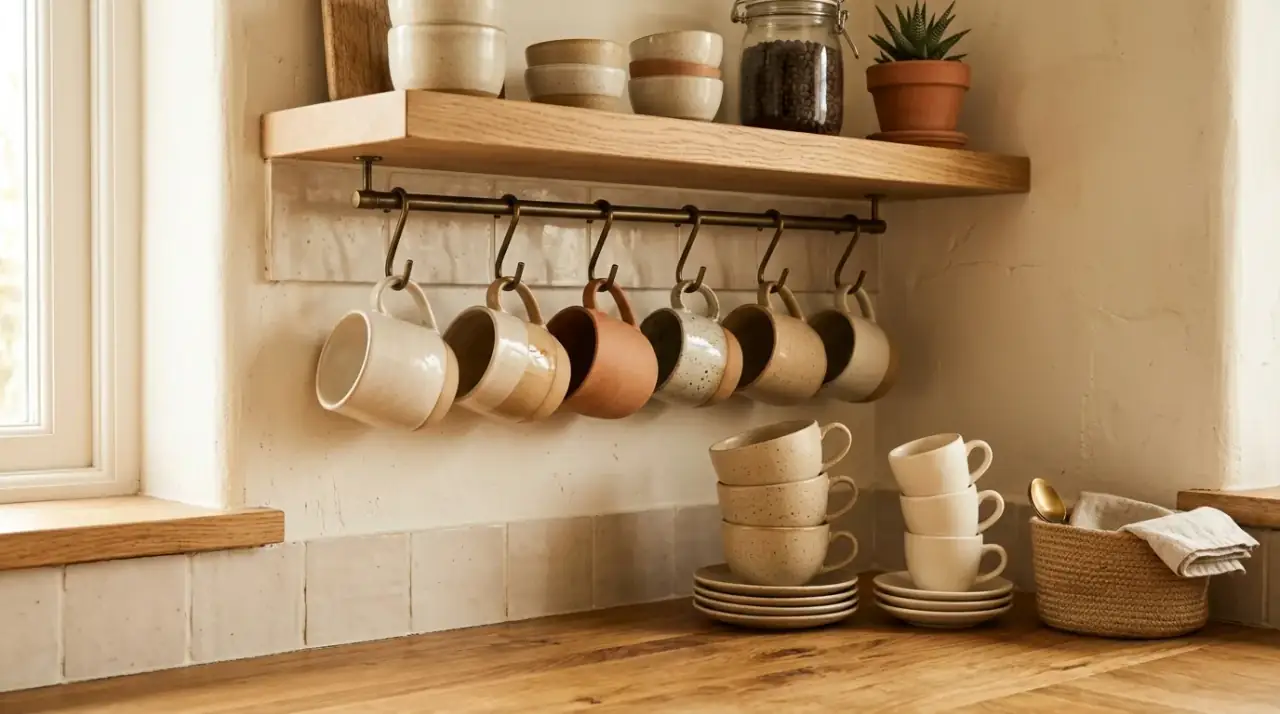
Use Door Racks for Flat or Small Supporting Items
Cabinet doors can hold wraps, cutting mats, spices, lids, or cleaning supplies that otherwise crowd the main shelves. This uses overlooked space without taking away from core storage.
Rooted in resourcefulness and guided by compact planning, door-mounted storage can help a cabinet feel more organized and more welcoming one thoughtful detail at a time. A well used door often creates room where none seemed available.
Separate Serving Pieces from Daily Pieces
Large platters, holiday dishes, and special serving bowls can crowd out the essentials if they share the same prime cabinet space. Giving them a different shelf or a less central cabinet restores everyday order.
Rooted in hierarchy and guided by practical prioritizing, separating occasional pieces can help a cookspace feel more open and more welcoming one thoughtful detail at a time. Cabinets feel calmer when daily needs do not compete with rare use items.
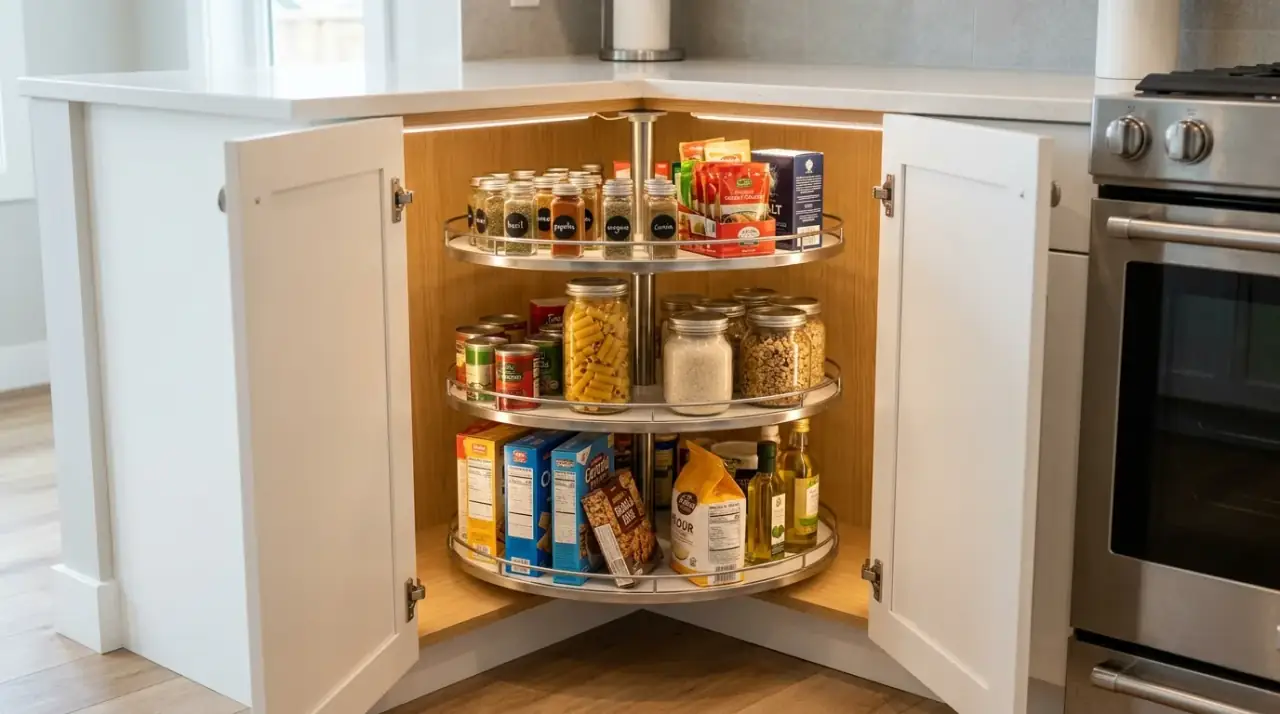
Use Lazy Susans in Hard to Reach Corners or Tall Shelves
Turntables make oils, condiments, jars, or baking items much easier to access in spots where things tend to vanish behind each other. One spin is better than pulling everything out to find one item.
Rooted in visibility and guided by smoother access, lazy Susans can help a cabinet feel more usable and more welcoming one thoughtful detail at a time. Organization gets stronger when awkward storage starts cooperating instead of resisting.
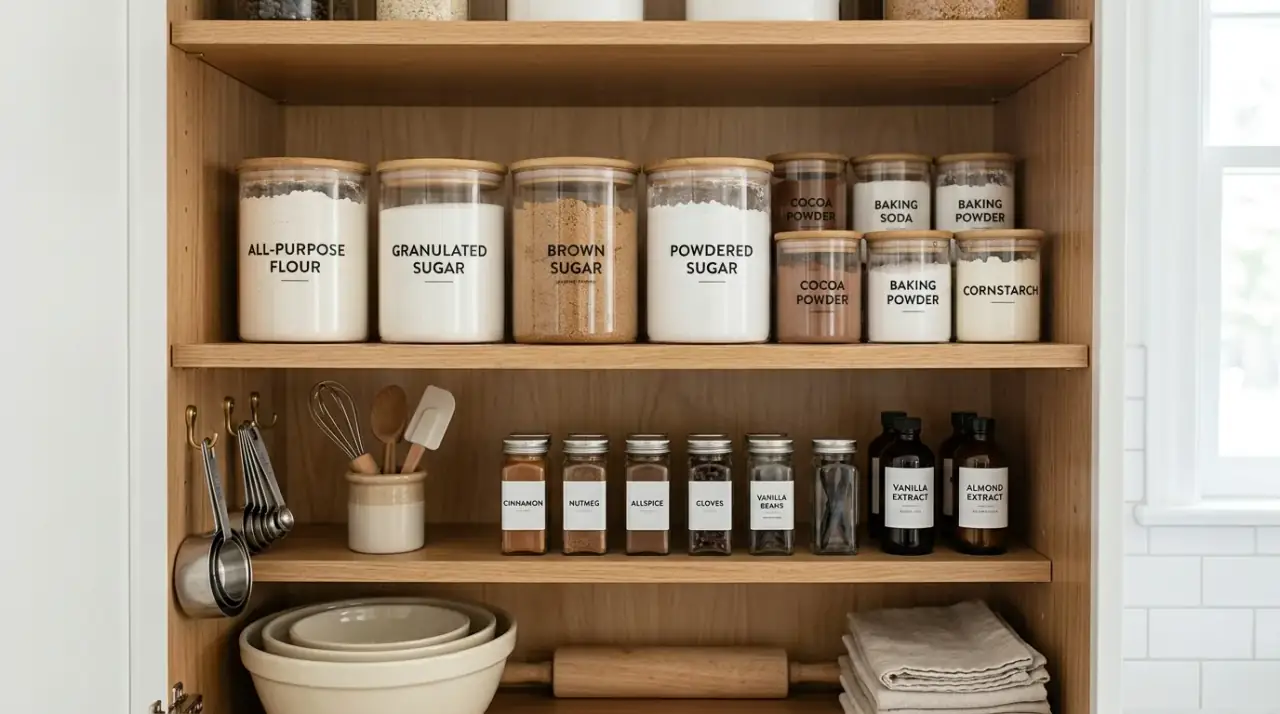
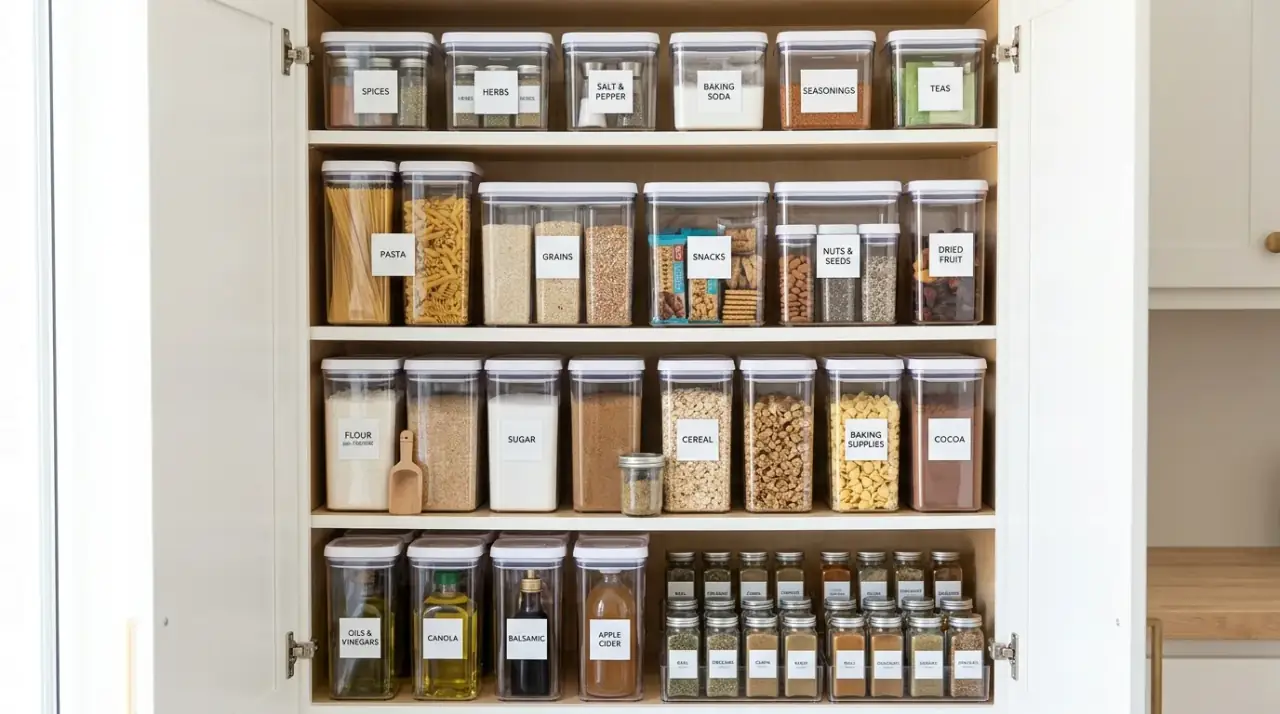
Label Bins or Zones So the System Lasts
Cabinet organization usually stays neater longer when the storage containers or zones are clearly identified. This helps everyone in the household understand where categories belong.
Rooted in clarity and guided by long-term maintenance, labels can help a cabinet system feel more reliable and more welcoming one thoughtful detail at a time. A tidy setup lasts best when it is easy to follow without guessing.
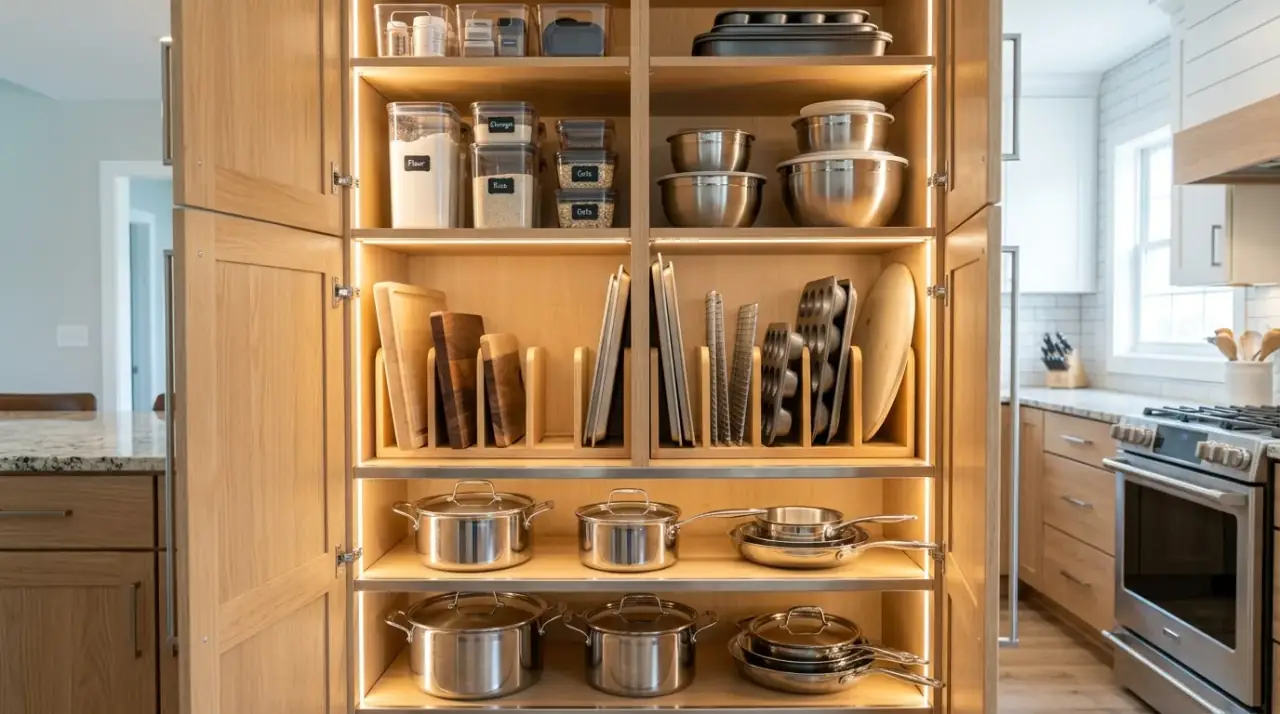
Keep One Shelf for Backup Supplies Not Daily Reach
Refills, duplicates, and reserve pantry goods can make cabinets feel overfull when they sit among everyday items. One dedicated backstock shelf keeps the main working zones much easier to navigate.
Rooted in restraint and guided by better storage hierarchy, a backup shelf can help a cabinet feel less crowded and more welcoming one thoughtful detail at a time. Not everything needs front-row access to be useful.
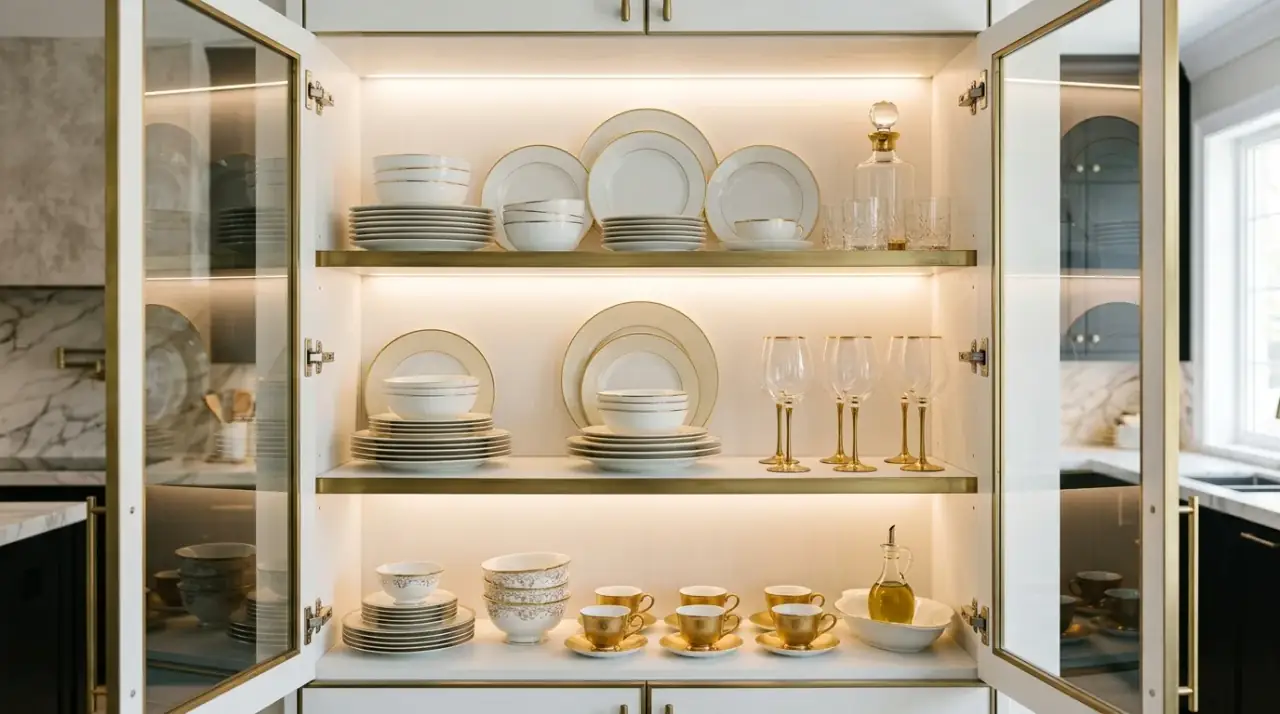
Use Vertical File Style Organizers for Trays and Lids
Baking sheets, cutting boards, platters, and pan lids are easier to store when they stand upright instead of stacking in slippery piles. Vertical sorting makes each item more accessible and less noisy to handle.
Rooted in clean separation and guided by everyday ease, vertical organizers can help a cabinet feel more efficient and more welcoming one thoughtful detail at a time. Cabinet peace often starts when flat items stop collapsing on each other.
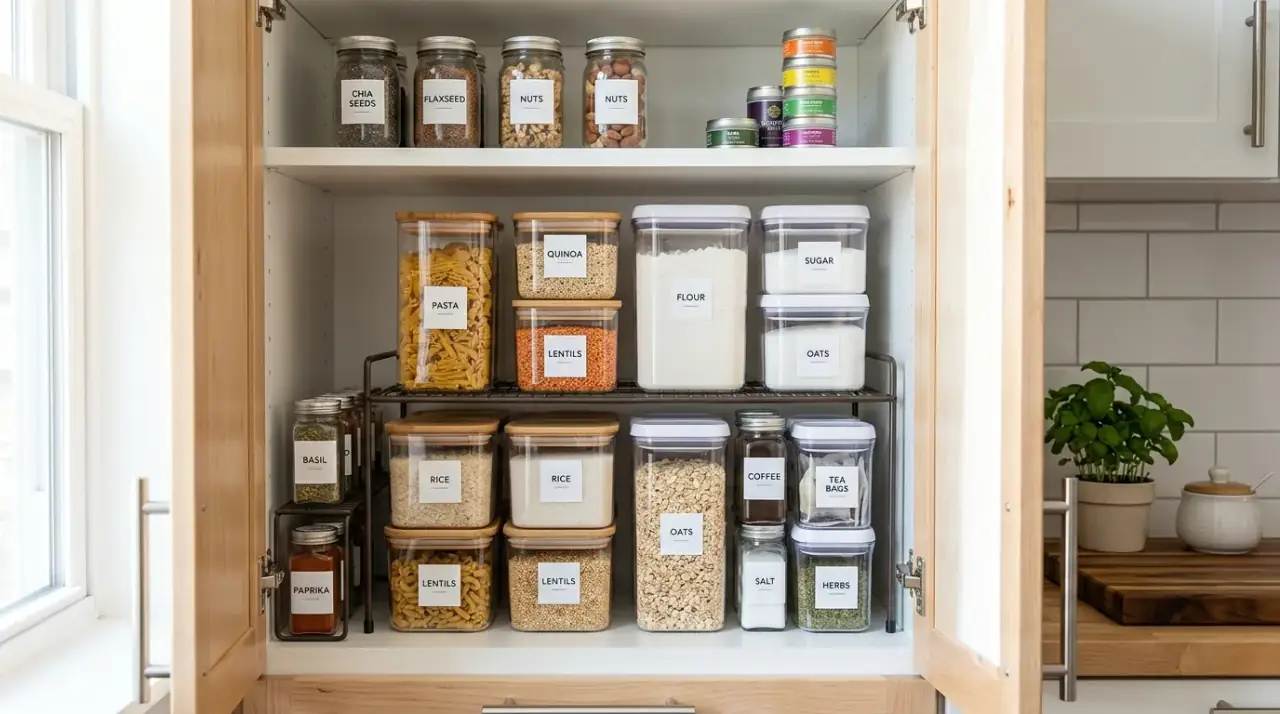
Edit the Contents Before Buying More Organizers
No storage product can fix cabinets that simply hold too many unnecessary or duplicate items. A quick declutter before organizing makes every solution work better and last longer.
Rooted in honesty and guided by simpler living, editing first can help a cabinet system feel lighter and more welcoming one thoughtful detail at a time. Good organization depends as much on what leaves the cabinet as on what remains inside it.
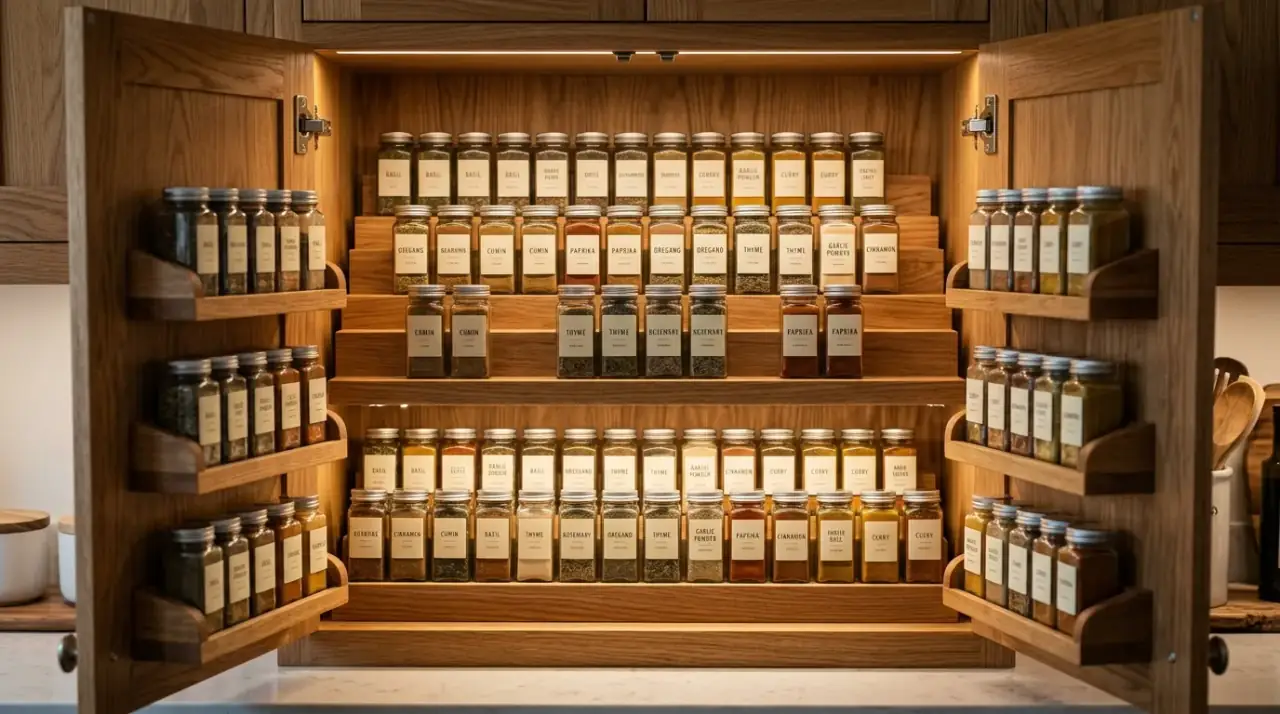
Use Matching Containers Only Where They Truly Help
Uniform storage can look calming, but it is most valuable where it improves stacking, visibility, or freshness. Using it selectively keeps the system practical instead of overdesigned.
Rooted in realism and guided by functional beauty, selective matching containers can help a cabinet feel tidier and more welcoming one thoughtful detail at a time. The best systems look good because they work, not the other way around.
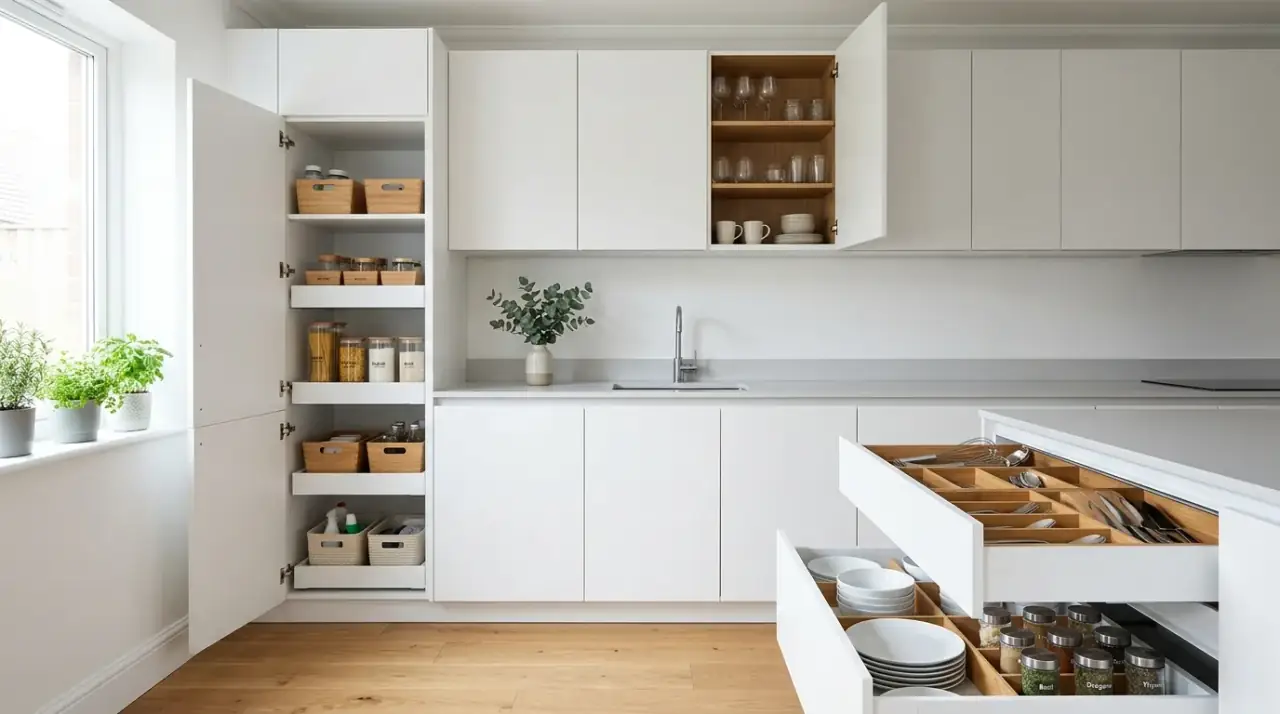
Review Problem Shelves Regularly Before They Spiral
Certain cabinets like snacks, baking, or food storage often unravel faster than others, so they benefit from short, regular resets. A little attention keeps the system from collapsing into frustration again.
Rooted in consistency and guided by sustainable maintenance, quick shelf check-ins can help a cookspace feel tidier and more welcoming one thoughtful detail at a time. Long-term order nearly always depends on small repeated care.
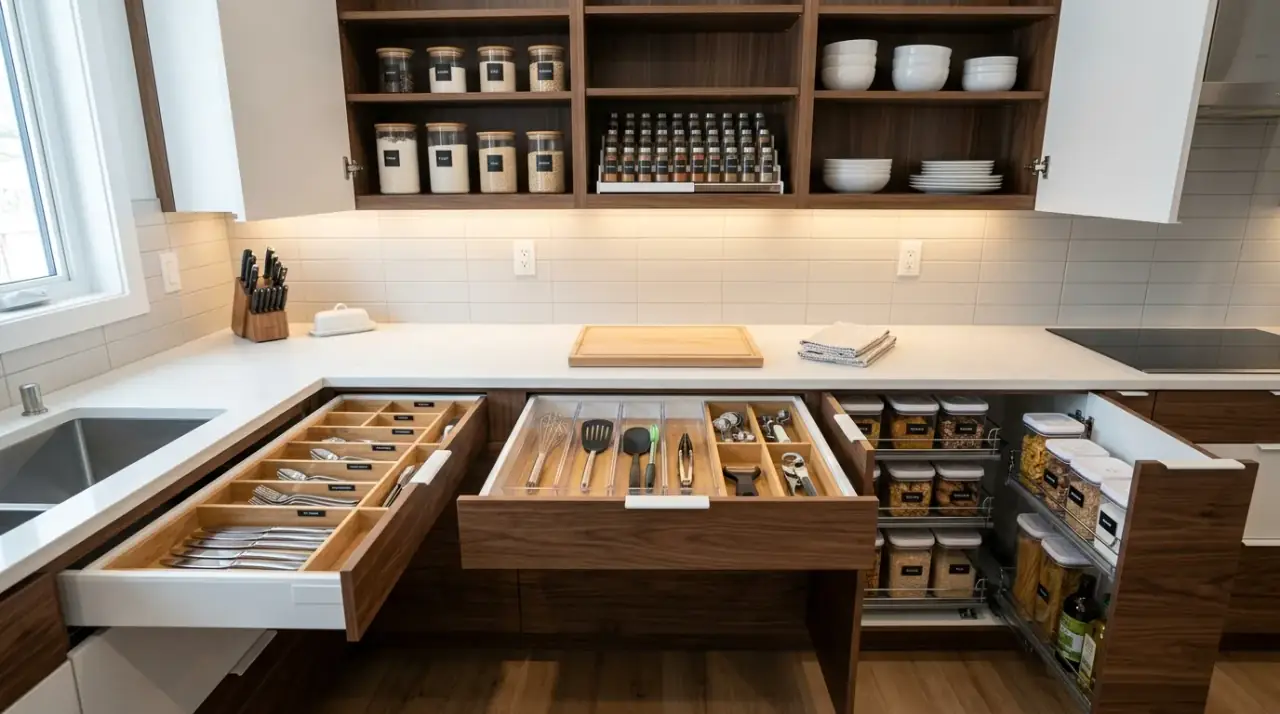
Cabinet Organization Feels Best When Access, Editing, and Routine Stay Aligned
The most successful cabinets are not just neat on day one. They stay useful because categories are logical, space is not overcrowded, and the system is easy enough to maintain in everyday life.
Rooted in creativity and guided by style, cabinet organization can turn a kitchen into a warm and welcoming clutter free cookspace one thoughtful detail at a time. The true goal is not perfection, but calmer storage that supports the way you actually live.